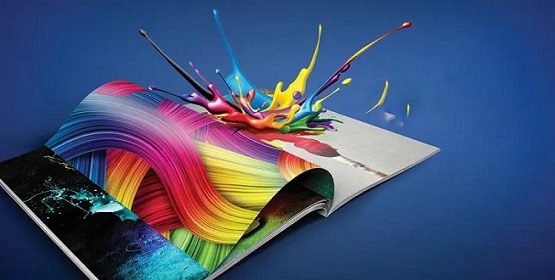
Digital Printing in 21st century
That’s the power of digital printing! As businesses seek innovative ways to stand out, understanding this transformative process becomes crucial for anyone involved in design or production. Let’s dive into what digital printing really means and explore its evolution, advantages, applications, and more—all essential knowledge for navigating today’s fast-paced visual landscape.
Importance of Printing technology in 21st century
Printing technology has become a cornerstone of modern communication. It enables the dissemination of information at an unprecedented speed, making it vital in our fast-paced society.
In business, effective branding relies heavily on high-quality printed materials. Brochures, business cards, and promotional items all help create a strong first impression.
Education also benefits greatly from advancements in printing. Textbooks and learning materials can be produced quickly and affordably, enhancing accessibility for students worldwide.
Moreover, the rise of digital platforms means that traditional print remains relevant. From packaging to advertising campaigns, businesses continue to rely on striking visuals that can only be achieved through advanced printing techniques.
The environment is not overlooked either; innovations like eco-friendly inks and sustainable practices are reshaping how industries approach their carbon footprint while still meeting consumer demands for quality products.
Ways to improve printing technology
To enhance printing technology, one key approach is integrating advanced software solutions. Streamlined workflows can save time and reduce errors in the printing process.
Investing in higher-quality materials also plays a vital role. By using superior inks and substrates, print jobs will not only look better but last longer too.
Sustainability should be at the forefront of technological advancements. Innovating eco-friendly practices can significantly decrease waste while appealing to environmentally conscious consumers.
Training personnel on new technologies ensures that teams are adept at utilizing cutting-edge equipment effectively. Knowledgeable staff leads to improved efficiency overall.
Collaboration with graphic design professionals can further elevate outcomes. By working together, printers can align their capabilities with emerging trends in design for captivating results.
Adopting automation tools enhances productivity by reducing manual tasks and allowing machines to handle repetitive elements of production seamlessly.
What is Digital Printing?
Digital printing is a modern process that involves transferring digital images directly onto various surfaces. Unlike traditional methods, it eliminates the need for plates or screens, allowing for quicker and more cost-effective production.
This technology uses inkjet or laser printers to produce high-quality images with vibrant colors. It's versatile enough to print on materials like paper, fabric, plastic, and even metal.
With digital printing, customization becomes easy. Each print can be tailored without significant additional costs. This makes it perfect for small runs and personalized items.
Moreover, advancements in graphic design software enhance its capabilities further. Designers now have endless possibilities at their fingertips when creating stunning visuals for any project.
Digital printing represents a shift towards efficiency and creativity in the world of printing technology.
Evolution of Digital Printing Technology
Digital printing technology has come a long way since its inception. Initially, it relied heavily on traditional methods like offset printing. The shift began with the introduction of inkjet and laser printers in the late 20th century.
As computers became more integrated into graphic design workflows, digital printing gained traction. Early machines struggled with color accuracy and print quality. However, advancements in software and hardware transformed this landscape.
The rise of high-speed production presses marked another milestone. These innovations allowed for larger runs without sacrificing quality or detail. UV printing also entered the scene, enabling vibrant colors on various substrates.
Today’s digital printers are equipped with cutting-edge features such as variable data capabilities. This allows businesses to create customized prints at scale efficiently. As technology continues to evolve, so does the potential for creativity in graphic design across multiple industries.
Advantages of Digital Printing
Digital printing offers numerous advantages that elevate it above traditional methods. One key benefit is its speed. Projects can go from concept to completion in a matter of hours, making it ideal for tight deadlines.
Flexibility is another significant perk. With digital technology, customization becomes simple and affordable. Each print can be tailored to specific needs without extensive setup changes.
Cost-effectiveness stands out as well, particularly for small runs. There's no need for expensive plates or setups; you only pay for what you print.
Quality is consistently high too. Digital printers produce vibrant colors and sharp details that enhance graphic design projects.
Moreover, the environmentally friendly aspect shouldn't be overlooked. Digital printing often uses less energy and generates less waste compared to traditional processes, aligning with eco-conscious practices today.
The ability to quickly adapt designs makes digital printing indispensable in fast-paced markets where creativity meets efficiency.
Applications of Digital Printing
Digital printing has transformed various sectors, paving the way for innovative applications. In graphic design, artists can produce high-quality proofs quickly and efficiently. This immediacy allows designers to visualize their concepts without lengthy delays.
In the retail industry, custom packaging solutions enhance brand identity. Brands leverage digital printing for unique labels and promotional materials that capture attention on crowded shelves.
Moreover, in textiles, digital printing enables vibrant patterns on fabric with minimal waste. Fashion designers enjoy the flexibility to experiment with designs while maintaining sustainability.
The signage sector also benefits greatly from this technology. Eye-catching graphics can be produced rapidly for events or business promotions.
Additionally, personalized products such as photo books and customized gifts are gaining popularity through digital printing techniques. These items offer a personal touch that resonates well with consumers seeking meaningful connections in their purchases.
Different Types of Digital Printing Techniques
Digital printing encompasses various techniques, each suited for specific applications and materials.
Inkjet printing is one of the most popular methods. It sprays tiny droplets of ink onto the surface, allowing for vibrant colors and intricate designs.
Laser printing offers speed and precision. This technique uses a laser beam to transfer toner onto paper, making it ideal for high-volume tasks like business documents.
Dye-sublimation stands out when it comes to fabric printing. It utilizes heat to turn solid dye into gas, embedding color directly into materials such as polyester.
UV printing has revolutionized how we approach different surfaces. By using ultraviolet light to cure inks instantly, this method enables impressive results on rigid substrates like glass or metal.
Each technique brings unique benefits that cater to diverse industries in graphic design, packaging, signage, and more. Selecting the right method can greatly enhance project outcomes.
Impact of Digital Printing on Various Industries
Digital printing has revolutionized how industries operate. From fashion to packaging, the impact is profound and far-reaching.
In retail, brands utilize digital printing for customized products. This allows them to respond quickly to consumer trends without extensive inventory costs.
The publishing sector benefits from shorter print runs and faster turnaround times. Authors can publish their work with minimal risk, making self-publishing more accessible than ever before.
Healthcare also sees advantages through personalized materials such as patient information leaflets and medical forms. Digital printing ensures clarity and accuracy in these essential documents.
Moreover, educational institutions leverage this technology for tailored learning materials. Students receive resources that meet their specific needs.
Even the signage industry has evolved; vibrant graphics created through UV printing enhance visibility while being eco-friendly.
These examples illustrate just a fraction of how digital printing reshapes various fields today, driving innovation like never before.
Future Projections for Digital Printing
The future of digital printing looks promising and innovative. As technology advances, we can expect faster and more efficient printing processes that reduce waste and costs.
Integration with artificial intelligence will enable personalized print solutions tailored to individual preferences. This customization is crucial for businesses seeking a competitive edge in graphic design.
Sustainability will play a significant role too. The industry is shifting towards eco-friendly materials and practices, making digital printing greener than ever before. Companies are investing in UV printing technologies that minimize environmental impact while maintaining high-quality outputs.
Moreover, the rise of 3D printing presents exciting possibilities for various sectors, from manufacturing to healthcare. This transformation could revolutionize how products are designed and produced.
As cloud-based services become commonplace, remote access to print jobs will enhance convenience for users across the globe. Embracing these advancements ensures that digital printing remains at the forefront of innovation in an increasingly digital world.
Conclusion
The advancement of printing technology has undoubtedly shaped the landscape of the 21st century. Digital printing stands at the forefront, revolutionizing how we approach graphic design and production. With its origins rooted in traditional techniques, digital printing continues to evolve, bringing forth remarkable innovations such as UV printing.
The advantages of this technology are manifold—speed, efficiency, and cost-effectiveness make it a go-to choice for businesses across various sectors. Its applications span from packaging to textiles and marketing materials, showcasing its versatility and impact on multiple industries.
As we look ahead, it's clear that digital printing is poised for further growth. Advancements in technology promise even more refined processes and creative possibilities for designers. The future looks bright for those who embrace these changes.
Navigating the world of digital printing will be essential for anyone involved in graphic design or related fields. Adapting to new trends while leveraging existing technologies can lead to innovative solutions that meet consumer demands efficiently.
Businesses seek innovative ways to stand out, understanding this transformative process becomes crucial for anyone involved in design, Printing or production.
Digital printing has revolutionized how industries operate. From fashion to packaging, the impact is profound and far-reaching. In retail, brands utilize digital printing for customized products.
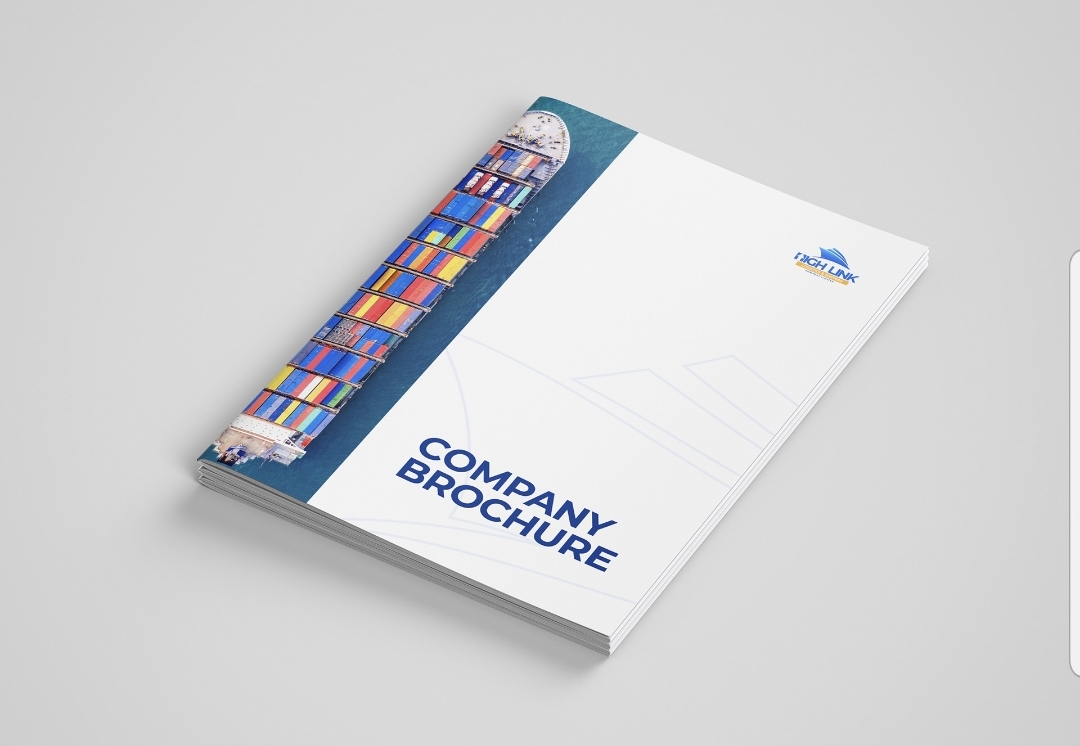
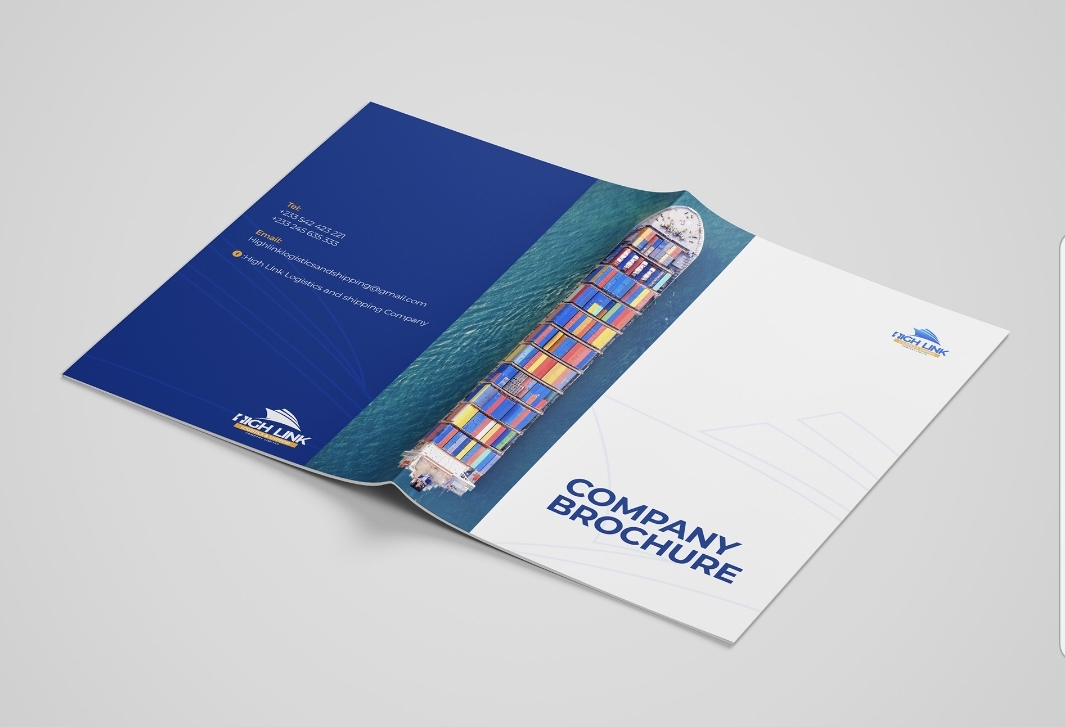
Best Practices for Brochure Printing
1. Clear design and layout: Ensure the design is clear, concise, and visually appealing.
2. High-quality images: Use high-resolution images to maintain quality when printed.
3. Paper selection: Choose paper that suits the brochure's purpose and desired finish.
4. Color accuracy: Ensure colors are accurate and consistent with brand guidelines.
5. Proofreading: Carefully proofread content for errors before printing.
6. Finishing touches: Consider finishes like gloss, matte, or folds for a professional look.
Design considerations:
1. Visual hierarchy: Organize content to guide the reader's attention.
2. Brand consistency: Align design with the company's brand identity.
3. Clear messaging: Ensure the brochure clearly communicates the intended message.
4. Readability: Use fonts and sizes that are easy to read.
Printing considerations:
1. Print method: Choose between digital or offset printing based on quantity and budget.
2. Color mode: Ensure design files are in the correct color mode (CMYK for print).
3. Bleed and margins: Account for bleed areas and margins in design.
Distribution and use:
1. Targeted distribution: Distribute brochures to relevant audiences or locations.
2. Event usage: Use brochures at events, trade shows, or in-store displays.
3. Follow-up: Consider follow-up actions like email campaigns or calls.
Tips for effective brochures:
1. Focus on benefits: Highlight benefits of products or services.
2. Include a call-to-action: Encourage readers to take a specific action.
3. Use compelling visuals: Images and graphics should support the message.
4. Keep it concise: Balance content with white space for readability.
By following these best practices, brochures can effectively communicate information and promote a company's brand.