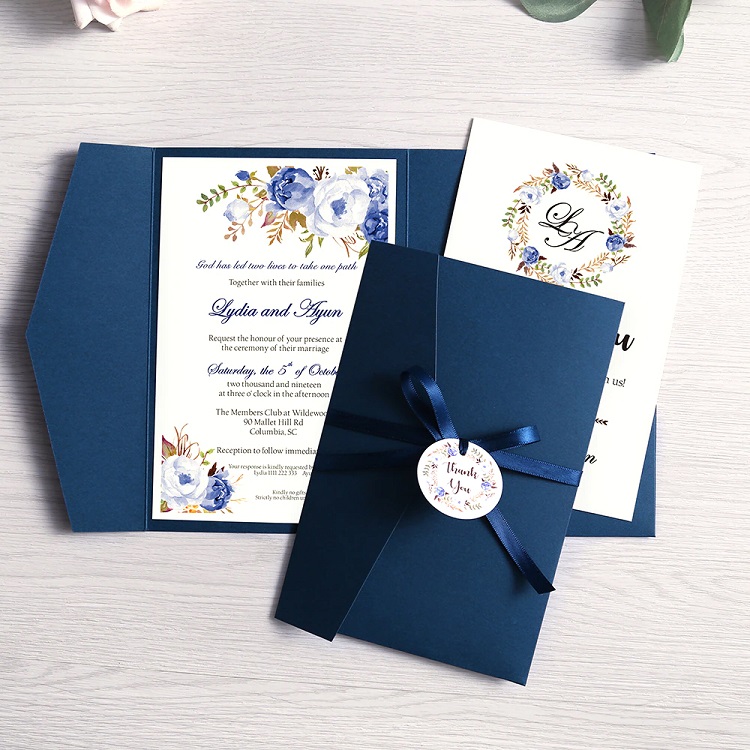
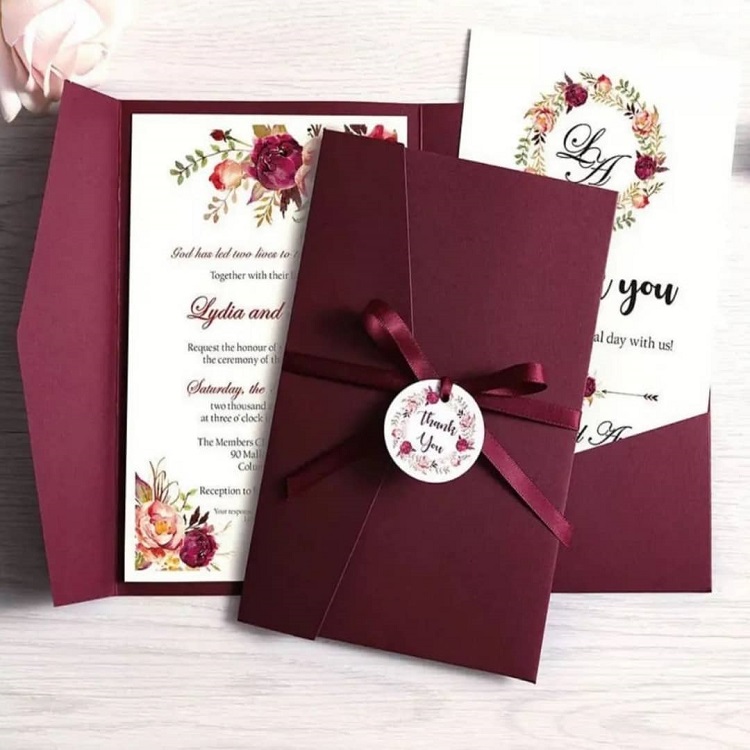
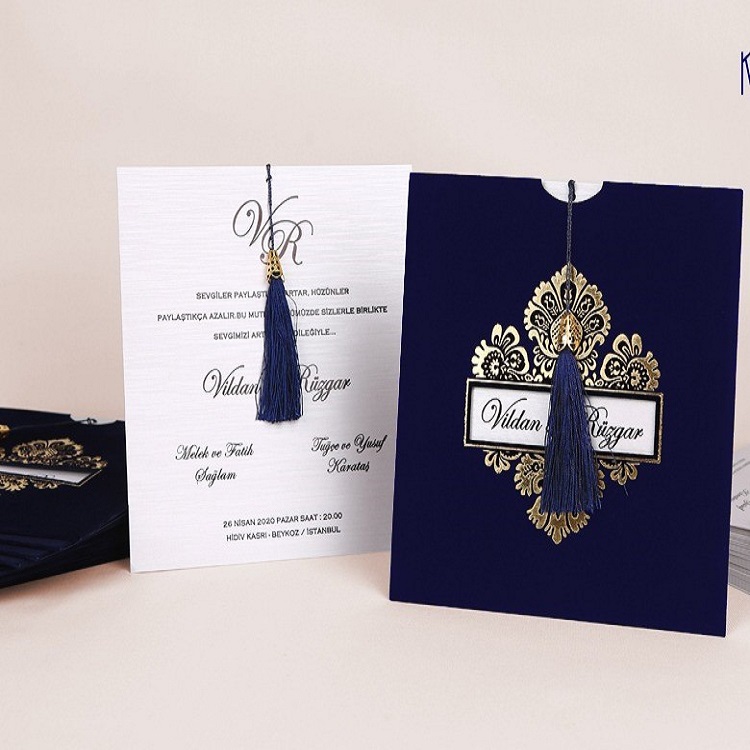
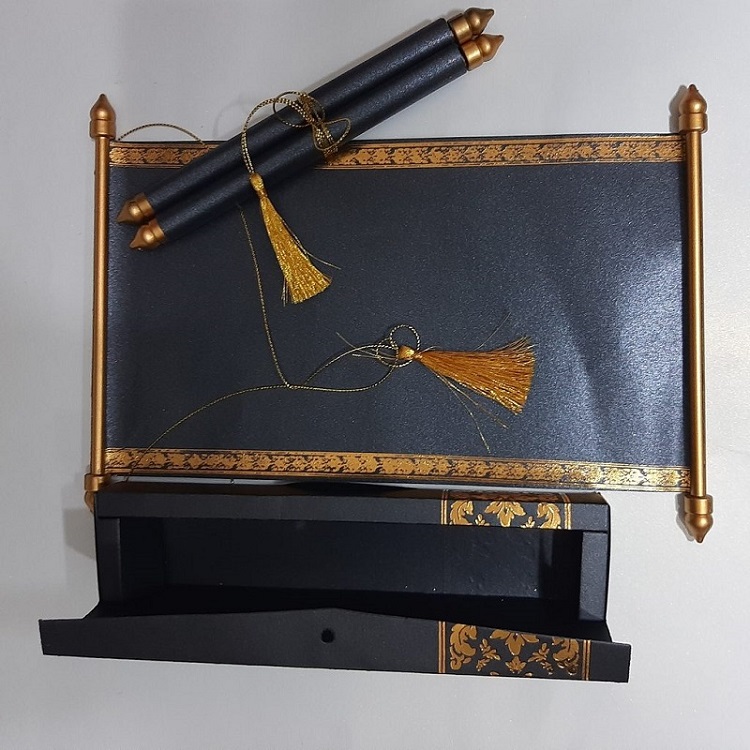
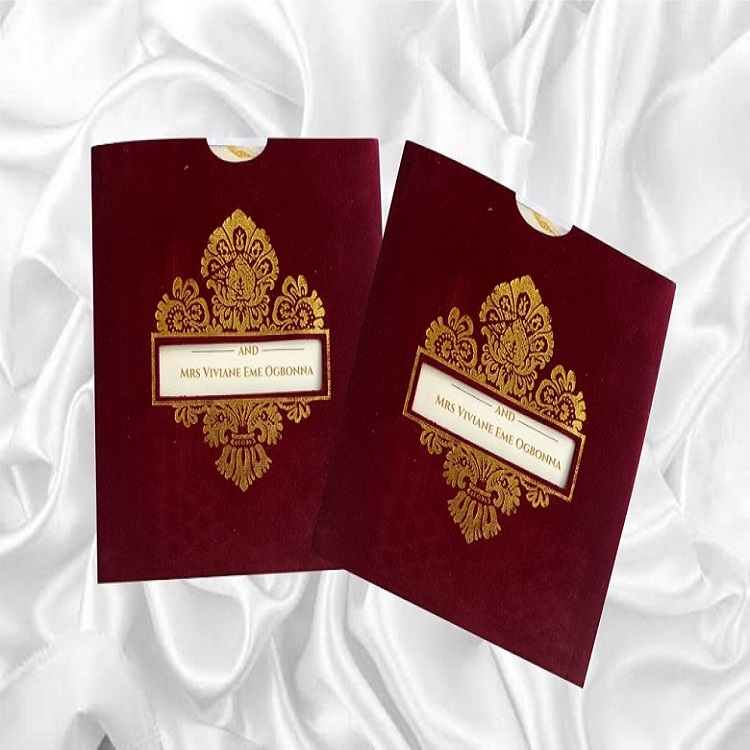
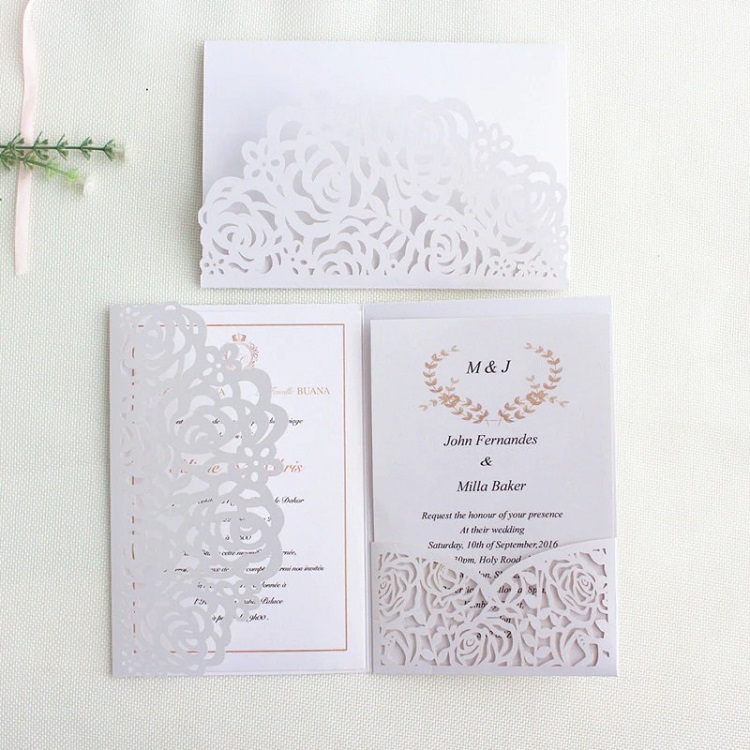
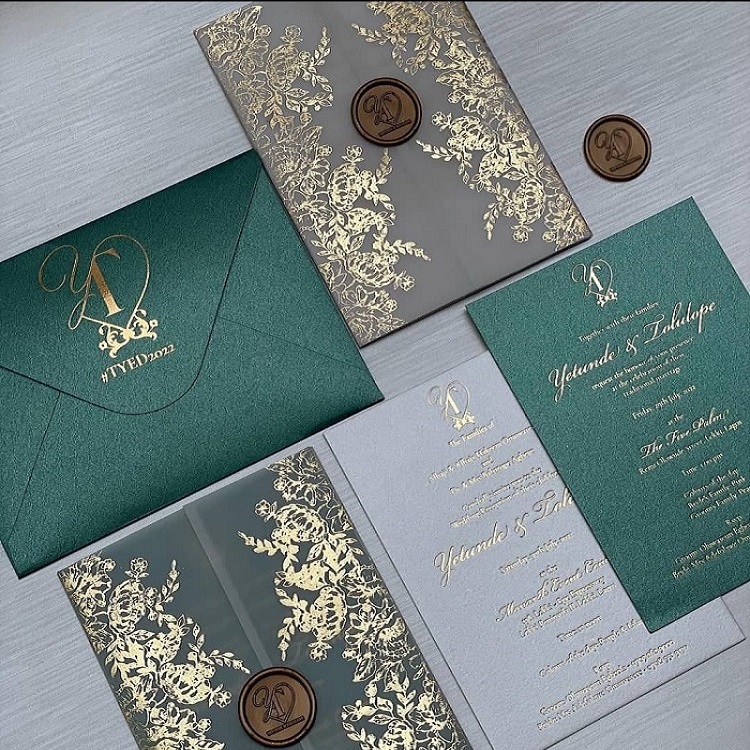
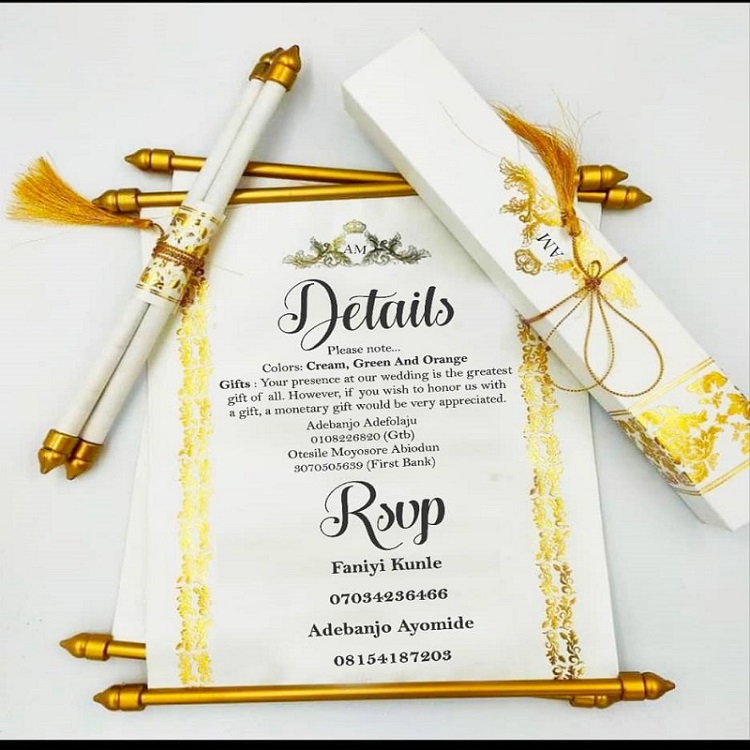
Wedding Invitation Cards
Production Turnaround:
Standard: 3-2 working days
Express:
within 24hours (attracts aditional fee)
Delivery/Shipping:
Standard delivery time: 3-2 working days
Express delivery: within 24hours
For same day express delivery:
Orders placed after 10AM will be delievered the next day.
Graphic Design And Printing of wedding invites
When it comes to graphic design and printing of wedding invitations in regular sizes, here are some key considerations to ensure they are both beautiful and effective:
Graphic Design Considerations
1. Theme & Style: Align the design with the overall theme of the wedding. Whether it’s rustic, elegant, modern, or vintage, the invitation should reflect the couple's style and wedding vibe.
2. Color Palette: Choose colors that match the wedding theme and the couple's preferences. Consider using complementary colors for an attractive design.
3. Typography: The choice of fonts is crucial. Use a combination of elegant script and clean, readable fonts for the text. Ensure that the important information stands out.
4. Layout: Keep the layout organized. Use sections for key information such as names, date, time, venue, and RSVP details. Make sure there’s enough white space to prevent the design from looking cluttered.
5. Imagery & Graphics: Incorporate images, patterns, or illustrations that fit the theme. This could be floral designs, geometric shapes, or even personal touches like a custom monogram.
6. Custom Elements: Think about including custom designs, such as a map to the venue or a unique border. These personalized touches make the invites special.
Common sizes for wedding invitations include:
- A7 (5x7 inches): This is one of the most popular sizes and provides ample space for traditional layouts.
- A6 (4.5x6.25 inches): A smaller option, ideal for more minimalist designs.
- A9 (5.5x8.5 inches): A slightly larger option that offers more room for creative layouts.
- Square (5x5 inches or 6x6 inches): A trendy option that can add a unique touch to the invitation.
Printing Considerations
1. Paper Quality: Choose a high-quality cardstock that complements the design. Common choices are smooth, textured, or recycled paper. The thickness of the paper can also impact the perception of quality.
2. Finish Options: Consider various finishes such as matte, glossy, or metallic. You may also want to explore special options like embossing or foil stamping for added elegance.
3. Printing Method: Decide on the printing method that suits your budget and quantity. Digital printing is great for lower quantities, while offset printing might be better for larger orders.
4. Proofing: Always request a proof before final printing. This ensures that colors, layout, and typography appear as intended.
5. Envelopes: Don’t forget to design matching envelopes. You can print the return address, use custom stamps, or add a wax seal to enhance the overall presentation.
6. Budgeting: Keep an eye on your budget, considering both design and printing costs. Be clear about the number of invites needed to avoid overspending.
Conclusion
With thoughtful graphic design and careful printing choices, wedding invitations can become a beautiful first impression of the celebration. By maintaining a cohesive theme and paying attention to detail, couples can create stunning invites that their guests will cherish.
Difference between custom wedding invitations and pre-made ones
When choosing between custom wedding invitations and pre-made ones, there are several key differences to consider:
Custom Wedding Invitations
1. Personalization: Custom invitations are tailored specifically to the couple’s preferences, allowing for unique designs, colors, typography, and artwork that reflect their personality and wedding theme.
2. Exclusive Designs: With custom invites, you have the opportunity to create something one-of-a-kind that no one else will have. This exclusivity can make the invitations feel more special and meaningful.
3. Flexibility in Size and Shape: Custom options often allow you to select sizes and shapes that suit your design vision rather than conforming to standard sizes.
4. Variety of Materials: You can choose from a wider range of materials and finishes, such as specialty papers, textures, and embellishments like foil stamping or embossing, that may not be available with pre-made options.
5. Control Over Details: Custom invitations let couples dictate every detail, including wording, layout, and additional elements such as RSVP cards, maps, and accommodations information.
6. Collaboration with Designers: Working with a graphic designer or a stationery company can provide creative insights and professional expertise, ensuring a polished final product.
Pre-Made Wedding Invitations
1. Cost-Effective: Pre-made invitations are generally more budget-friendly, as they are produced in bulk and do not require custom design work, making them a good option for couples on a tight budget.
2. Time-Saving: Choosing from pre-made designs can significantly speed up the process, as there’s no need for extensive back-and-forth with a designer. You can quickly find something that matches your style.
3. Readily Available: Pre-made invitations can be purchased immediately online or in stores, eliminating the waiting time often associated with custom designs.
4. Limited Customization: While some pre-made options offer slight customization (like changing text or colors), the overall design remains fixed. This can limit creativity compared to fully custom solutions.
5. Consistent Quality: Pre-made invitations are often mass-produced using established techniques, which can ensure consistent quality across a large batch.
6. Variety of Styles: There is a wide variety of pre-made designs available, showcasing different styles, themes, and color schemes. However, you may still find it challenging to find something that truly feels unique to your event.
Conclusion
Ultimately, the choice between custom and pre-made wedding invitations depends on your budget, timeline, and personal preferences. Custom invitations prioritize uniqueness and personalization, while pre-made options offer convenience and cost savings. Couples should weigh these factors carefully to determine which approach best suits their needs and style for their special day.
Types of Wedding invitation Cards
There are several types of wedding invitation cards available, each with its unique style and appeal. Here’s a rundown of the most popular types:
1. Traditional Invitations
- Standard Design: Typically features classic designs with formal wording, often printed on high-quality cardstock.
- Formal Layout: Usually includes details like the couple’s names, date, time, venue, and RSVP information.
2. Rustic Invitations
- Natural Aesthetics: Often made with kraft paper, burlap, or wood elements, conveying a cozy, outdoor feel.
- Earthy Colors: Using naturals tones, floral patterns, or handwritten fonts to enhance the rustic charm.
3. Modern Invitations
- Minimalistic Design: Characterized by clean lines, bold typography, and a focus on white space.
- Contemporary Colors: Often feature trendy color combinations and geometric shapes.
4. Vintage Invitations
- Retro Elements: Incorporate designs and motifs from past eras, such as lace, Victorian patterns, or art deco styles.
- Aged Paper: Sometimes printed on paper that mimics an aged look, enhancing the nostalgic feel.
5. Destination Invitations
- Travel-Themed: Perfect for weddings taking place in unique locations; these often include maps or travel motifs.
- Informational Details: Might include travel tips and accommodation suggestions for guests.
6. Folded Invitations
- Card Format: Designed like a greeting card, these invitations open to reveal the details inside.
- Additional Space: Can be used for more information, such as a timeline or personal notes from the couple.
7. Postcard Invitations
- Casual Style: A more informal and cost-effective option, designed like a postcard with the invitation details on one side.
- No Envelopes Needed: Typically mailed without an envelope, contributing to a laid-back vibe.
8. Magnet Invitations
- Functional Keepsakes: Invitations printed on magnets allow guests to keep the invite on their fridge or another metal surface, serving as a reminder.
- Creative Design: Can incorporate fun designs or images that reflect the couple’s personality.
9. Laser-Cut Invitations
- Intricate Designs: Feature elaborate cut-out designs that create a stunning visual effect when layered over a contrasting background.
- Elegant Presentation: Often seen as luxurious and unique, perfect for formal occasions.
10. Seal and Send Invitations
- Self-Mailer Format: These invitations combine the invitation and RSVP card into one piece that guests can perforate and send back, simplifying the process.
- Compact Design: Typically a folded sheet that opens to reveal all the necessary details.
11. Eco-Friendly Invitations
- Sustainable Materials: Made from recycled paper or sustainable materials to appeal to environmentally conscious couples.
- Plantable Options: Some invitations can be planted after the event, as they contain seeds embedded in the paper.
Conclusion
Choosing the right type of wedding invitation card depends on the couple’s style, the theme of the wedding, and the level of formality. It’s important to select an invitation that not only conveys essential details but also reflects the couple’s personality and wedding vision.
Branded wedding gifts
Branded wedding gifts can be a wonderful way to express appreciation to guests and create a lasting memory of the celebration. Here are some best practices for creating and selecting branded wedding gifts, along with examples:
Best Practices
1. Personalization: Tailor the gifts to reflect the couple’s taste and wedding theme. Personalized items tend to leave a lasting impression on guests.
2. Quality Matters: Choose high-quality products that guests will appreciate and use. A well-made gift reflects positively on the couple and the event.
3. Branding Subtlety: Ensure that any branding or logos are tastefully incorporated. The focus should be on the gift itself rather than aggressive marketing.
4. Practicality: Opt for gifts that are practical and useful for everyday life. This will increase the chances of guests using and cherishing the gifts.
5. Sustainability: Consider eco-friendly or sustainable gift options. Many guests appreciate environmentally conscious choices.
6. Cultural Relevance: If the couple has particular cultural backgrounds, gifts that resonate with those traditions can be meaningful.
7. Presentation: Invest in nice packaging. Well-presented gifts enhance the overall experience and make the recipients feel valued.
8. Thematic Cohesion: Align the gifts with the wedding theme or color palette. This creates a cohesive look that ties everything together.
9. Quantity and Accessibility: Make sure to have enough gifts for all guests, and consider whether they will be given to everyone or only to select individuals (e.g., bridal party, family).
10. Give a Choice: If possible, consider offering a selection of items to guests. This allows them to choose something that they truly want or will use.
Examples of Branded Wedding Gifts
1. Personalized Water Bottles: Customized stainless steel or glass water bottles with the couple's names and wedding date are both practical and stylish.
2. Candle Favors: Branded candles with custom scents or labels can create a warm ambiance and serve as memorable keepsakes.
3. Custom Tote Bags: Offering reusable tote bags with a beautiful design and the couple's logo is practical for guests and encourages sustainability.
4. Photo Frames: Elegant frames that incorporate the wedding colors or the couple's initials can help guests remember the special day.
5. Coasters: Branded coasters made from materials like wood or cork can showcase designs or quotes meaningful to the couple while being functional.
6. Seed Packets: Eco-friendly gifts like seed packets with a personal label encourage guests to plant flowers or herbs, creating a lasting memory that grows.
7. Mugs or Drinkware: Custom mugs or glasses with the wedding date or couple’s name make delightful, useful gifts that guests can enjoy at home.
8. Cookbooks or Recipe Cards: If the couple enjoys cooking, a custom cookbook or beautifully designed recipe cards can share their favorite meals or memories.
9. Travel Pouches: Personalized travel or toiletry pouches make great gifts for guests who may be traveling to attend the wedding.
10. Concert or Event Tickets: Branded tickets to a local event or concert can create a unique experience for guests and serve as a wonderful memory from the wedding.
Conclusion
By following these best practices, couples can create branded wedding gifts that are thoughtful, memorable, and genuinely appreciated by their guests. The right gift can enhance the overall wedding experience and serve as a cherished keepsake for years to come.
Why a Jotter is a Great Wedding Gift
A jotter can indeed make a wonderful wedding gift item for several reasons. Here are some points highlighting its appeal and potential as a gift:
1. Personalized Touch: Jotters can easily be customized with the couple's names, wedding date, or a personal message. This adds a sentimental value, making it a lovely keepsake.
2. Practicality: A jotter is useful for everyday notes, planning, or journaling. Newlyweds often have a lot to organize, and a jotter can help them keep track of everything.
3. Inspiring Creativity: Couples can use jotters for a variety of purposes, from jotting down their thoughts and ideas to planning their future together. It encourages creativity and personal expression.
4. Versatile Use: Whether it’s for grocery lists, wedding planning, travel notes, or brainstorming ideas, a jotter offers versatility that can be appreciated by any couple.
5. Quality Materials: Opting for a high-quality jotter made from premium paper and materials can enhance its appeal. A beautifully designed cover can make it an attractive addition to any workspace.
6. Stylish and Elegant Designs: Jotters come in various designs, from elegant and classic to fun and quirky. This allows couples to choose something that suits their taste and style.
7. Eco-Friendly Options: Many jotters are available in eco-friendly materials, which can appeal to environmentally conscious couples.
8. Great for Guest Signatures: If included in the wedding celebration, a jotter can serve as a guest book alternative, where friends and family write messages or advice for the newlyweds.
Examples of Wedding Jotters
1. Leather-Bound Jotters: A sophisticated option, these can be embossed with initials or a meaningful quote.
2. Personalized Spiral Notebooks: Colorful and fun, these jotters can feature custom designs that resonate with the couple's personalities.
3. Eco-Friendly Recycled Paper Jotters: Stylish and sustainable, these jotters can reflect a commitment to the environment.
4. Themed Jotters: For couples with specific interests (like travel, cooking, or gardening), jotters that align with those themes can be particularly thoughtful.
5. Jotters with Inspirational Quotes: These can motivate the couple in their journey together while providing daily inspiration.
Conclusion
A jotter is a practical, thoughtful, and personal wedding gift that couples can cherish and use throughout their lives. By choosing a design that reflects their style and adding a personal touch, it can become both a useful tool and a treasured keepsake.
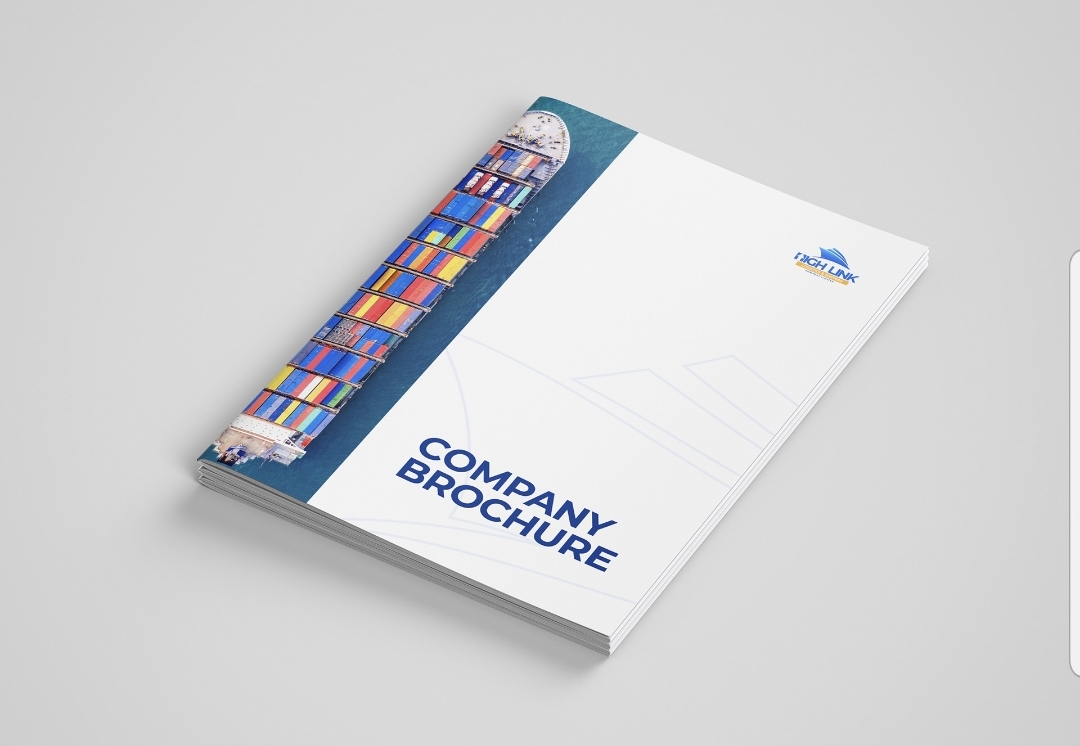
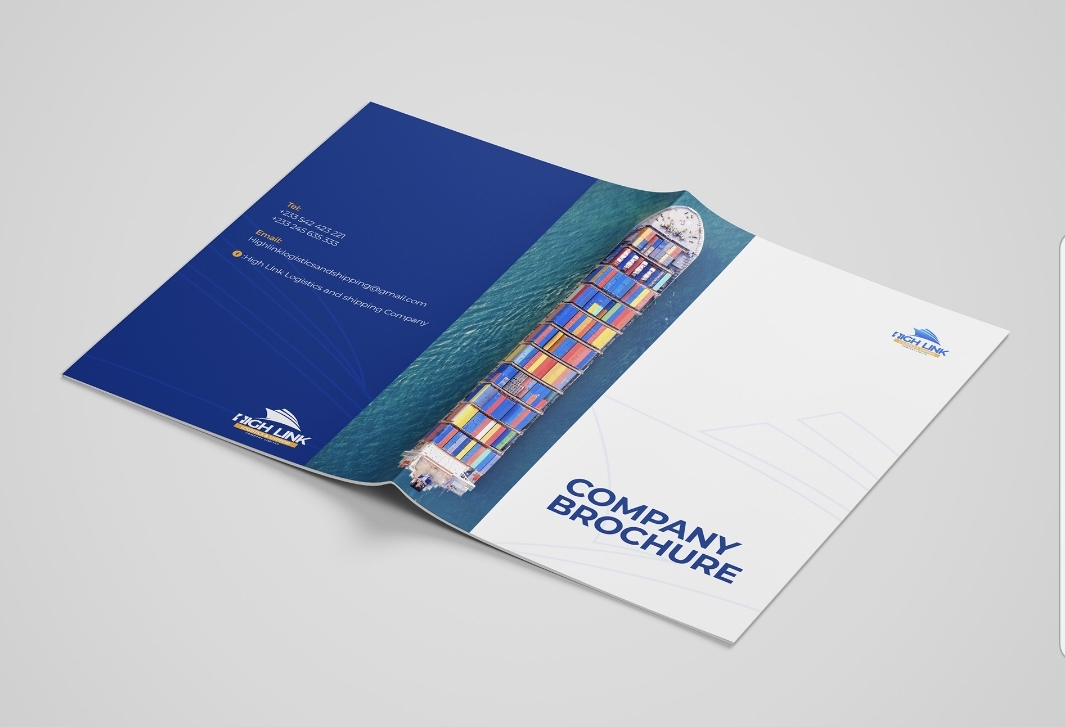
Best Practices for Brochure Printing
1. Clear design and layout: Ensure the design is clear, concise, and visually appealing.
2. High-quality images: Use high-resolution images to maintain quality when printed.
3. Paper selection: Choose paper that suits the brochure's purpose and desired finish.
4. Color accuracy: Ensure colors are accurate and consistent with brand guidelines.
5. Proofreading: Carefully proofread content for errors before printing.
6. Finishing touches: Consider finishes like gloss, matte, or folds for a professional look.
Design considerations:
1. Visual hierarchy: Organize content to guide the reader's attention.
2. Brand consistency: Align design with the company's brand identity.
3. Clear messaging: Ensure the brochure clearly communicates the intended message.
4. Readability: Use fonts and sizes that are easy to read.
Printing considerations:
1. Print method: Choose between digital or offset printing based on quantity and budget.
2. Color mode: Ensure design files are in the correct color mode (CMYK for print).
3. Bleed and margins: Account for bleed areas and margins in design.
Distribution and use:
1. Targeted distribution: Distribute brochures to relevant audiences or locations.
2. Event usage: Use brochures at events, trade shows, or in-store displays.
3. Follow-up: Consider follow-up actions like email campaigns or calls.
Tips for effective brochures:
1. Focus on benefits: Highlight benefits of products or services.
2. Include a call-to-action: Encourage readers to take a specific action.
3. Use compelling visuals: Images and graphics should support the message.
4. Keep it concise: Balance content with white space for readability.
By following these best practices, brochures can effectively communicate information and promote a company's brand.