Production Turnaround:
Standard: 3-2 working days
Express:
within 24hours (attracts aditional fee)
Delivery/Shipping:
Standard delivery time: 3-2 working days
Express delivery: within 24hours
For same day express delivery:
Orders placed after 10AM will be delievered the next day.
What is Embroidry?
Embroidery is a decorative technique that entails stitching designs, patterns, or text onto fabric using a needle and thread. This art form has been practiced for centuries and is esteemed for its capacity to enhance the aesthetic appeal of various textiles. The following are key aspects of embroidery:
1. Techniques: Embroidery can be executed utilizing a variety of methods, including hand embroidery, where designs are crafted manually, and machine embroidery, which employs specialized sewing machines to produce intricate designs with greater efficiency.
2. Materials: The embroidery process typically involves the use of diverse types of threads, such as cotton, silk, or polyester, along with various needle sizes and fabric types. The selection of materials can significantly influence the final appearance and texture of the embroidered piece.
3. Design Versatility: Embroidery can be applied to an extensive range of items, including clothing, accessories, home textiles, and promotional products. Common applications encompass monograms on garments, logos on corporate apparel, and decorative motifs on home decor items.
4. Customization: A primary advantage of embroidery is its capability for personalization. Organizations and individuals frequently utilize custom embroidery to create unique designs that reflect specific branding, events, or personal preferences.
5. Durability: Embroidered designs are typically more resilient than printed designs, as the stitching generates a textured finish that withstands wear and laundering. This characteristic makes embroidery particularly suitable for items requiring longevity, such as uniforms and workwear.
6. Artistic Expression: In addition to its practical applications, embroidery is also recognized as a form of artistic expression. Many artisans produce intricate and distinctive designs, employing various stitching techniques to convey artistic ideas or cultural traditions.
In conclusion, embroidery is a versatile textile art that enhances the visual appeal of various fabrics through the application of thread and stitching techniques. Its durability, customization options, and artistic potential make it a popular choice for both personal and professional applications.
When implementing embroidery branding, several critical factors should be carefully examined.
When implementing embroidery branding, several critical factors should be carefully examined to ensure that the resulting products effectively represent your brand, convey your message, and fulfill your objectives. Here are detailed considerations to keep in mind:
1. Design Quality: The design of embroidered logos or branding elements is paramount. It should be visually engaging, clear, and easily recognizable when transferred to fabric. Complex designs may end up muddy or lose detail when stitched, so it is often necessary to simplify intricate graphics. It is advisable to collaborate with a graphic designer who understands embroidery techniques to create a digital mock-up that reflects how the design will appear when embroidered on the selected fabric.
2. Fabric Selection: The choice of fabric significantly affects how the embroidery appears and its durability. Common fabric options include cotton, polyester, twill, and blends. Each fabric type offers varying levels of texture and weight, which can influence the final look of the embroidery. It is important to select materials that not only enhance the aesthetic value of the embroidery but also provide the necessary durability for the intended application, such as uniforms, promotional merchandise, or gifts.
3. Thread Quality: The selection of high-quality threads is essential for achieving vibrant, consistent colors and ensuring the durability of the embroidered design. Threads may be made from various materials, including rayon (known for its sheen), polyester (appreciated for its strength and colorfastness), or cotton (valued for its natural feel). The choice of thread impacts not only the visual appeal but also the functionality, as threads should withstand laundering, fading, and wear over time.
4. Color Consistency: Ensuring color consistency across different products is vital for maintaining brand integrity. Utilize a color matching system, such as Pantone, to ensure that the colors used in the embroidery remain consistent with your brand guidelines. This approach minimizes the risk of discrepancies in color between different items or batches of products, which can undermine brand recognition.
5. Production Method: Understanding the various production methods is crucial for effective branding. Machine embroidery is typically more efficient for larger quantities due to its speed and lower labor costs, while hand embroidery offers unique detailing and craftsmanship, making each piece distinct. However, manual methods can be more time-consuming and costly. Evaluate the trade-offs between these methods based on your needs, timeline, and budget.
6. Target Audience: A comprehensive understanding of your target audience is essential in designing effective embroidery branding. Consider their preferences, styles, and the contexts in which they will use the embroidered items. The design, colors, logos, and even the choice of fabric should resonate with the audience and align with their expectations and lifestyle, fostering a connection to your brand.
7. Purpose and Application: Clearly define the intended purpose of the embroidery branding. Is it for company uniforms, promotional giveaways, event merchandise, or personal gifts? Each application can influence decisions such as design complexity, fabric choice, and overall quality requirements. Specific criteria may apply based on whether items are expected to be worn frequently or serve as one-time promotional gifts.
8. Budget Constraints: A well-defined budget for the embroidery project is necessary to ensure financial feasibility. Consider all associated costs, including design fees, material costs, production methods, and any additional expenses such as setup fees for embroidery machines or shipping costs. Having a clear budget will help manage expectations and ensure that the final products are of quality while remaining within financial limits.
9. Durability and Maintenance: Evaluate the expected lifespan and maintenance requirements of the embroidered items. Items meant for frequent wear, such as uniforms or activewear, should be designed for durability and ease of care. Choosing suitable threads and materials that withstand frequent washing and wear will help maintain the items' visual appeal and functionality.
10. Supplier Selection: The choice of embroidery service or supplier should not be taken lightly. A reputable supplier with considerable experience in producing high-quality branded items can make a significant difference in the outcome. Review their portfolio, customer testimonials, and production capabilities to ensure they can meet your specific requirements. Discuss timelines, service quality, and any guarantees or warranties they offer for their products.
By meticulously assessing these factors, organizations can effectively operationalize embroidery branding, resulting in high-quality, aesthetically pleasing embroidered products that embody brand identity and foster meaningful connections with their intended audience.
What is embroidry School badge?
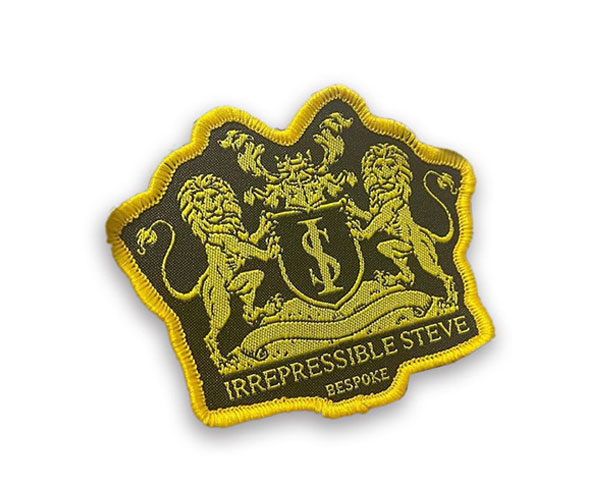
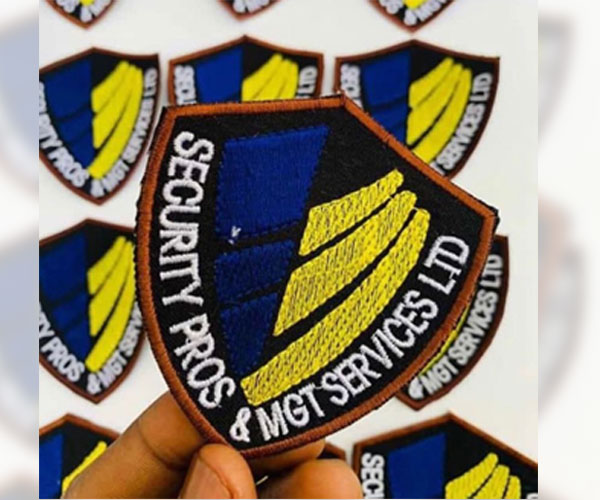
An embroidered school badge is a distinctive emblem or insignia that represents a particular educational institution. These badges are typically crafted using embroidery techniques, which involve stitching designs onto fabric to create a durable and visually appealing product. The following are key points regarding embroidered school badges:
1. Design Elements: Embroidered school badges often feature the school's logo, name, motto, or a combination of these elements. The design can incorporate specific color schemes that represent the school’s identity and values, making the badge easily recognizable.
2. Applications: These badges are commonly affixed to school uniforms, blazers, or sportswear, serving as formal identification of students. They can also be used for special events, such as graduation ceremonies, award ceremonies, or school competitions, further instilling a sense of pride and belonging among students.
3. Customization: Schools often have the option to customize badges according to their specific requirements. This includes selecting the size, shape, color, and intricate design details. Customization enhances the badge’s uniqueness and strengthens the school’s brand identity.
4. Material Quality: The quality of the materials used in creating embroidered badges is essential for durability and aesthetic appeal. Common fabrics include twill, felt, or cotton blends, while embroidery threads may vary from standard to high-quality options, depending on the desired finish.
5. Durability: The embroidered nature of the badge ensures its longevity, as the stitching is typically robust and resistant to fraying. This durability makes embroidered badges ideal for everyday wear, ensuring they maintain their appearance even after repeated washing.
6. Recognition and Community: Wearing embroidered school badges fosters a sense of community and unity among students. It symbolizes their affiliation with the institution, promoting school spirit and camaraderie during extracurricular activities and events.
In summary, an embroidered school badge serves as a vital representation of an educational institution, offering a means of identification, promoting school pride, and fostering a sense of belonging among students. The combination of custom design, quality materials, and longevity makes these badges a valuable asset for schools.
Desk Calendar as an Effective Souvenir
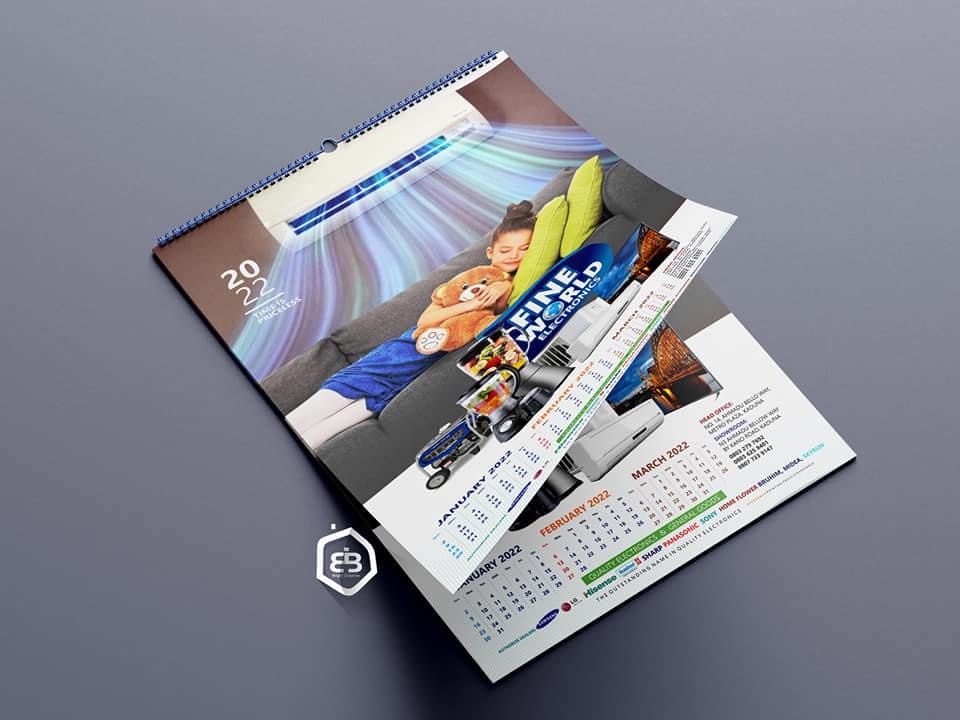
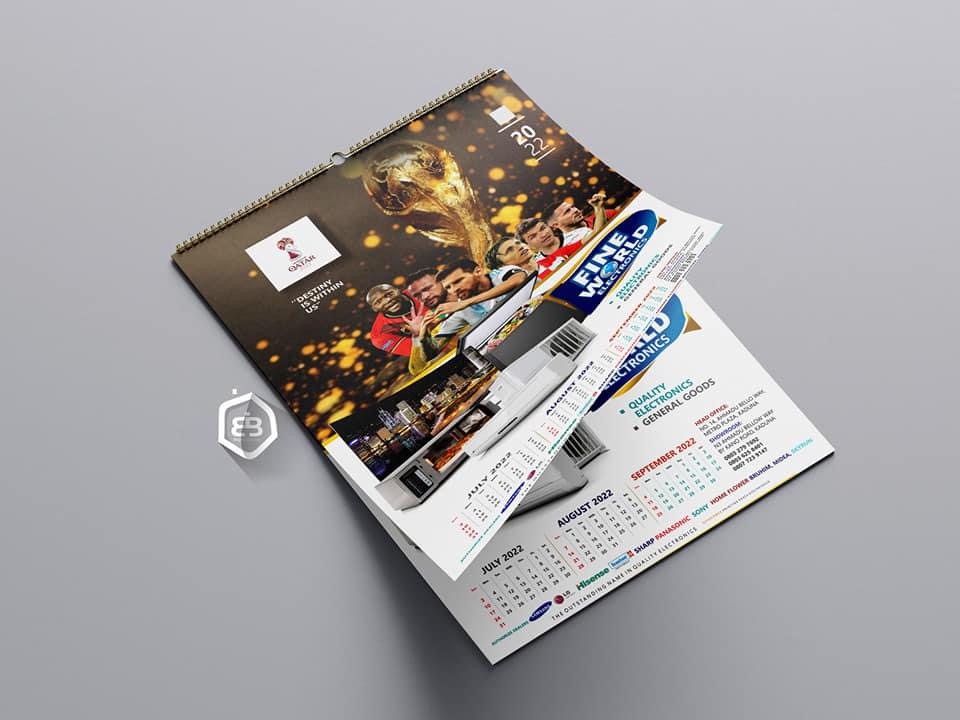
Good quality printed calendars make excellent souvenirs for several reasons, enhancing their value as meaningful gifts:
1. Personalized Touch: Customizable designs featuring photographs and quotes create unique keepsakes that resonate with recipients.
2. Functional Art: A well-crafted wall calendar serves as both a practical tool and a decorative piece, enhancing home or office decor.
3. Year-Round Reminders: Unlike typical souvenirs, calendars remain visible throughout the year, reminding recipients of special memories and themes.
4. Capturing Memories: They can highlight important events and milestones, making them ideal for commemorating significant dates.
5. Promoting Connections: Personalized calendars strengthen relationships, serving as constant reminders of shared experiences between the giver and recipient.
6. Encouraging Organization: These calendars help recipients stay organized while celebrating cherished memories.
7. Variety of Themes: Tailored to different interests—nature, art, travel—wall calendars offer versatile personalization options.
8. Cultural Significance: Calendars reflecting cultural themes or historical events foster a connection to heritage and identity.
In summary, wall calendars combine personalization, functionality, and artistry, making them memorable souvenirs that serve as lasting reminders of special moments throughout the year.