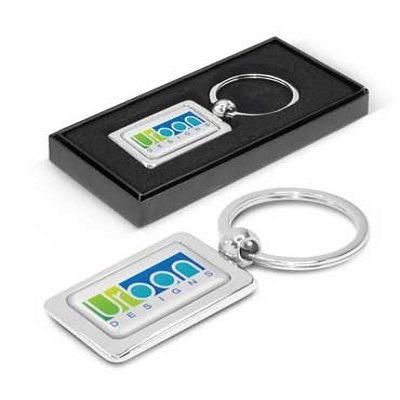
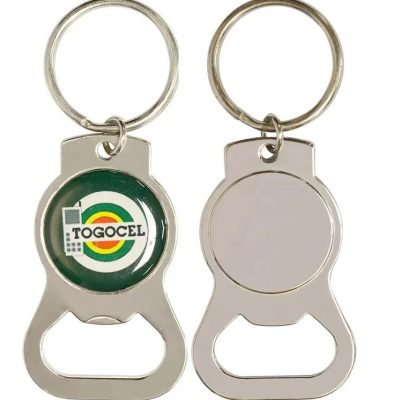
Branded Key-holders
Production Turnaround:
Standard: 3-2 working days
Express:
within 24hours (attracts aditional fee)
Delivery/Shipping:
Standard delivery time: 3-2 working days
Express delivery: within 24hours
For same day express delivery:
Orders placed after 10AM will be delievered the next day.
Branded Key holders serves important roles in promoting business growth
A branded key holder is a promotional item designed to hold keys, typically featuring a company’s logo or branding. This practical accessory serves several important roles in promoting business growth:
1. Brand Visibility: Branded key holders are often used daily, which ensures consistent exposure of the logo to consumers. Each time the item is used, it reinforces brand recognition.
2. Functional Utility: As a useful item, a key holder provides practical value to recipients, making it more likely that they will keep and use it. This ongoing utility enhances the perceived value of the brand.
3. Cost-Effective Promotion: Branded key holders are relatively inexpensive to produce, allowing businesses to distribute them in large quantities without significant investment, thereby reaching a wider audience.
4. Customer Loyalty: Providing branded key holders as gifts or incentives helps foster customer loyalty. It conveys appreciation and creates a positive association with the brand.
5. Versatility: Key holders can be distributed in various contexts, including trade shows, corporate events, or as part of customer appreciation initiatives, making them a versatile promotional tool.
6. Networking Opportunities: When shared in professional contexts, branded key holders can serve as conversation starters, facilitating connections and expanding the network.
7. Memorable Gifts: As a tangible item, a key holder can act as a memorable gift that strengthens relationships between businesses and clients or customers.
In summary, branded key holders play a significant role in business growth by enhancing brand visibility, providing utility, fostering loyalty, and serving as a cost-effective promotional tool.
A guide on designing branded key holders
Creating branded key holders is a great way to promote your brand while providing a practical item for customers. Here’s a guide on designing branded key holders and the regular sizes typically available:
1. Choose Regular Sizes for Key Holders
- Keychains: Typically around 1" to 2" in diameter for round designs, or 1" x 3" for rectangular designs.
- Key Fobs: Usually about 0.5" to 1" wide and 2" to 4" long, depending on the style.
- Key Rings: Standard sizes range from 1" to 3" in diameter, accommodating various types of keys.
2. Designing Your Branded Key Holders
- Identify Your Purpose: Understand how the key holders will be used—whether as promotional items, giveaways, or part of a product package.
- Incorporate Brand Elements:
- Logo: Ensure a clear display of your logo on the key holder.
- Color Palette: Use colors that align with your brand’s identity.
- Slogan or Tagline: Consider adding a catchy phrase or website URL for enhanced brand recall.
- Graphic Design Tools: Use software like Adobe Illustrator, Canva, or CorelDRAW to create your visual.
3. Material Choices
- Common Materials:
- Metal: Durable and stylish, often used for higher-end key holders.
- Plastic: Lightweight and available in various colors, often more cost-effective.
- Leather or Faux Leather: Offers a premium feel and durability but can be more expensive.
4. Preparing for Production
- File Resolution: Ensure your design has a high resolution (at least 300 DPI) for clear printing or engraving.
- Export Formats: Save your design in formats suitable for printing—PDF, EPS, or high-quality PNG.
5. Printing and Production Methods
- Screen Printing: Ideal for bulk orders with simple designs.
- Laser Engraving: Excellent for metal or wooden key holders, providing a premium finish.
- Digital Printing: Suitable for complex designs with multiple colors.
6. Distribution and Marketing
- Promotional Events: Use key holders as giveaways at trade shows, community events, or as part of a purchase incentive.
- Selling: Consider offering them as merchandise in your store or online.
- Social Media Engagement: Encourage customers to share photos with their branded key holders to promote your brand.
7. Feedback and Adaptation
- Collect Feedback: After distributing the key holders, gather customer feedback on design and usability.
- Make Adjustments: Use insights from customer responses to refine future designs or branding strategies.
By following these steps, you can design appealing and functional branded key holders that effectively promote your brand while providing a practical, everyday item for customers!
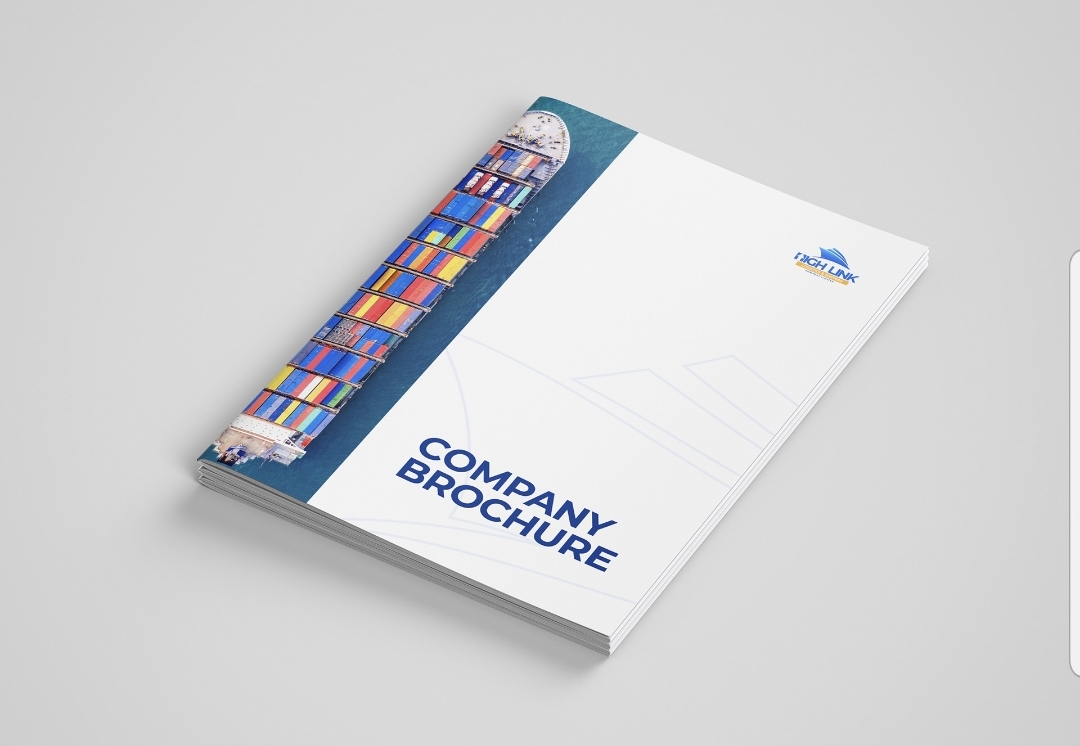
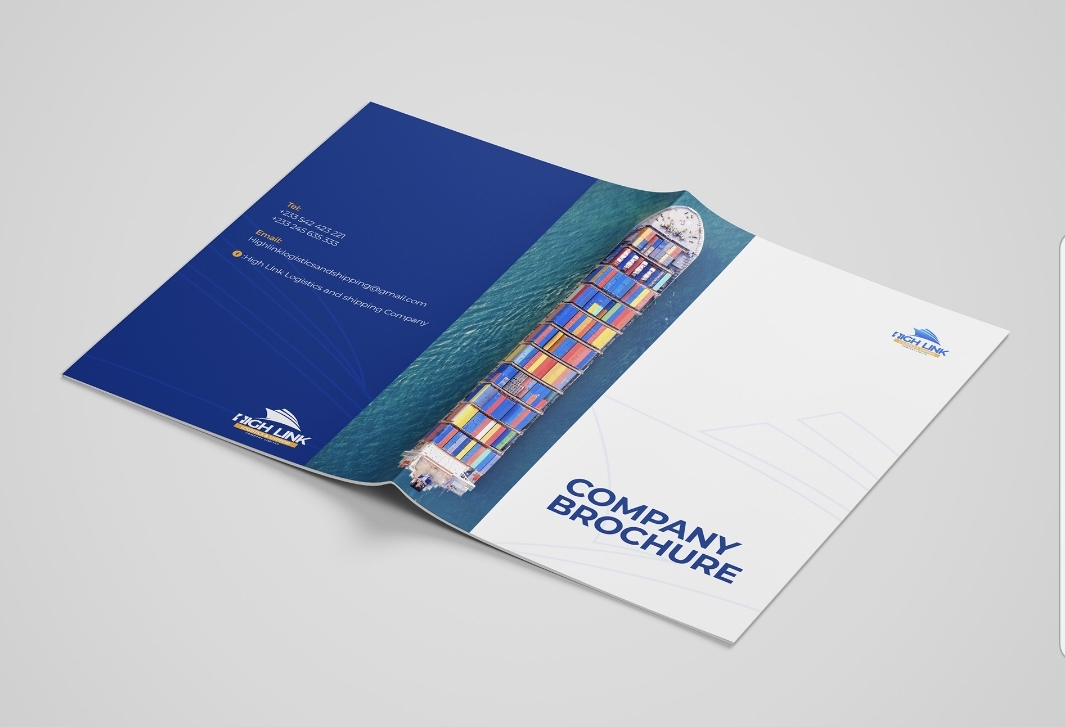
Best Practices for Brochure Printing
1. Clear design and layout: Ensure the design is clear, concise, and visually appealing.
2. High-quality images: Use high-resolution images to maintain quality when printed.
3. Paper selection: Choose paper that suits the brochure's purpose and desired finish.
4. Color accuracy: Ensure colors are accurate and consistent with brand guidelines.
5. Proofreading: Carefully proofread content for errors before printing.
6. Finishing touches: Consider finishes like gloss, matte, or folds for a professional look.
Design considerations:
1. Visual hierarchy: Organize content to guide the reader's attention.
2. Brand consistency: Align design with the company's brand identity.
3. Clear messaging: Ensure the brochure clearly communicates the intended message.
4. Readability: Use fonts and sizes that are easy to read.
Printing considerations:
1. Print method: Choose between digital or offset printing based on quantity and budget.
2. Color mode: Ensure design files are in the correct color mode (CMYK for print).
3. Bleed and margins: Account for bleed areas and margins in design.
Distribution and use:
1. Targeted distribution: Distribute brochures to relevant audiences or locations.
2. Event usage: Use brochures at events, trade shows, or in-store displays.
3. Follow-up: Consider follow-up actions like email campaigns or calls.
Tips for effective brochures:
1. Focus on benefits: Highlight benefits of products or services.
2. Include a call-to-action: Encourage readers to take a specific action.
3. Use compelling visuals: Images and graphics should support the message.
4. Keep it concise: Balance content with white space for readability.
By following these best practices, brochures can effectively communicate information and promote a company's brand.