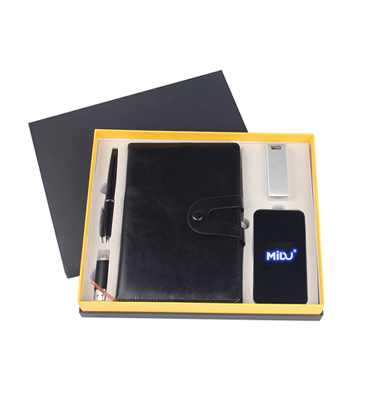
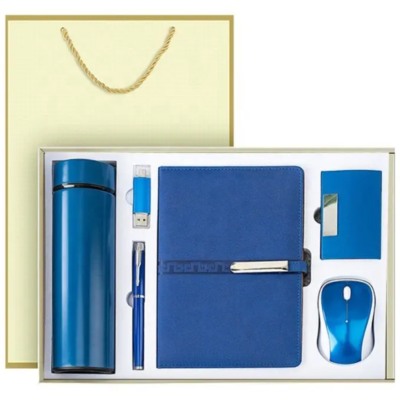
Executive Gift-item's Set
Production Turnaround:
Standard: 3-2 working days
Express:
within 24hours (attracts aditional fee)
Delivery/Shipping:
Standard delivery time: 3-2 working days
Express delivery: within 24hours
For same day express delivery:
Orders placed after 10AM will be delievered the next day.
What is Gift-items?
Gift items are tangible products or tokens presented to individuals as expressions of appreciation, celebration, or goodwill. Such items are typically exchanged
during significant occasions, including birthdays, holidays, anniversaries, or as gestures of gratitude and affection.
Gift items can vary considerably in nature and may include:
1. Personalized Gifts: Items that are customized to reflect the recipient's preferences and interests, such as engraved jewelry, monogrammed bags, or bespoke photo albums.
2. Practical Gifts: Everyday items that serve a functional purpose, including kitchen gadgets, office supplies, or home essentials designed for regular use.
3. Experiential Gifts: Non-tangible gifts that provide experiences rather than physical items, such as tickets to concerts, cooking classes, or spa treatments, which offer memorable opportunities.
4. Luxury Gifts: High-end items that tend to be extravagant, often encompassing designer apparel, premium watches, or gourmet food and beverage selections.
5. Promotional Gifts: Branded merchandise utilized by businesses to promote their brand, commonly distributed to clients or employees. Examples include pens, tote bags, or apparel adorned with the company logo.
6. Handmade Gifts: Unique items crafted by individuals, often imparting personal significance or sentimental value, such as handmade crafts, artwork, or baked goods.
In summary, gift items serve essential purposes, including the expression of gratitude, enhancement of relationships, celebration of achievements, and brand promotion, making them a vital component of social interactions and business practices.
The significance of Gift-items
Brand gift items are instrumental for organizations seeking to enhance their visibility and reinforce their corporate identity.
The following points articulate the significance of these items:
1. Brand Awareness: Branded gifts effectively increase visibility and awareness of an organization. When recipients utilize or display these items, they contribute to the promotion of the brand to a broader audience.
2. Customer Loyalty: The provision of branded gifts can cultivate goodwill and fortify customer loyalty. When customers perceive that their patronage is valued, they are more likely to return and engage with the brand.
3. Promotion and Marketing: Branded gifts serve as impactful marketing instruments. They can generate interest in products and services, potentially attracting new customers through word-of-mouth referrals.
4. Professional Image: The distribution of well-designed promotional items can enhance the brand's image, reflecting professionalism and a meticulous approach to detail.
5. Memorable Impact: A thoughtfully selected gift can create a lasting impression on clients and partners, aiding in the differentiation of the brand from its competitors.
6. Encouraging Engagement: Branded gifts facilitate increased interaction with the brand, whether through social media engagement, referrals, or direct involvement in events.
7. Relationship Strengthening: Gift items can reinforce relationships with clients, employees, and partners, demonstrating that their support and contributions are valued.
8. Event Marketing: The distribution of branded gifts at events, trade shows, or corporate gatherings can enhance the organization’s presence and provide attendees with a tangible reminder of the experience.
9. Employee Motivation: Providing branded gifts to employees can elevate morale and motivation, fostering a sense of belonging and team cohesion within the organization.
10. Customization Opportunities: Brand gift items can be tailored to align with specific marketing initiatives or seasonal promotions, enabling businesses to effectively target their audience.
In conclusion, brand gift items are essential for establishing recognition, strengthening relationships, and promoting customer loyalty, thereby representing a valuable investment for any organization.
Types of Gift Items
Gift items encompass a wide array of products that vary in purpose, target audience, and occasion. The following outlines the principal categories of gift items:
1. Personalized Gifts: These items are specifically customized to reflect the individuality and preferences of the recipient. Examples include custom jewelry, monogrammed accessories, and personalized photo albums.
2. Practical Gifts: This category comprises items that serve functional purposes in everyday life. Examples include kitchen appliances, office supplies, and home organization tools that provide utility to the recipient.
3. Experiential Gifts: Rather than providing physical items, this type focuses on delivering memorable experiences. Examples include tickets to concerts, travel vouchers, cooking classes, and spa treatment packages.
4. Luxury Gifts: High-end items that embody extravagance belong to this category. Such gifts may include designer apparel, premium watches, fine jewelry, or gourmet food and beverage selections.
5. Promotional Gifts: Businesses frequently utilize these branded items to enhance visibility and cultivate goodwill. Common examples include pens, mugs, tote bags, and apparel featuring company logos.
6. Handmade Gifts: Unique and often artisanal, these items are crafted by individuals and possess a personal touch. Examples include handmade crafts, original artwork, and baked goods prepared with care.
7. Seasonal Gifts: These items are specifically designed for holidays or special seasons. Examples include Christmas ornaments, Halloween decorations, and Valentine’s Day gifts.
8. Greeting Cards: Although not traditional gifts, greeting cards are frequently included with other gifts to convey messages of appreciation, love, or celebration.
In summary, the range of gift items is extensive, with each category serving distinct purposes and suitable for various occasions, thereby making them an integral component of gifting practices in both personal and professional contexts.
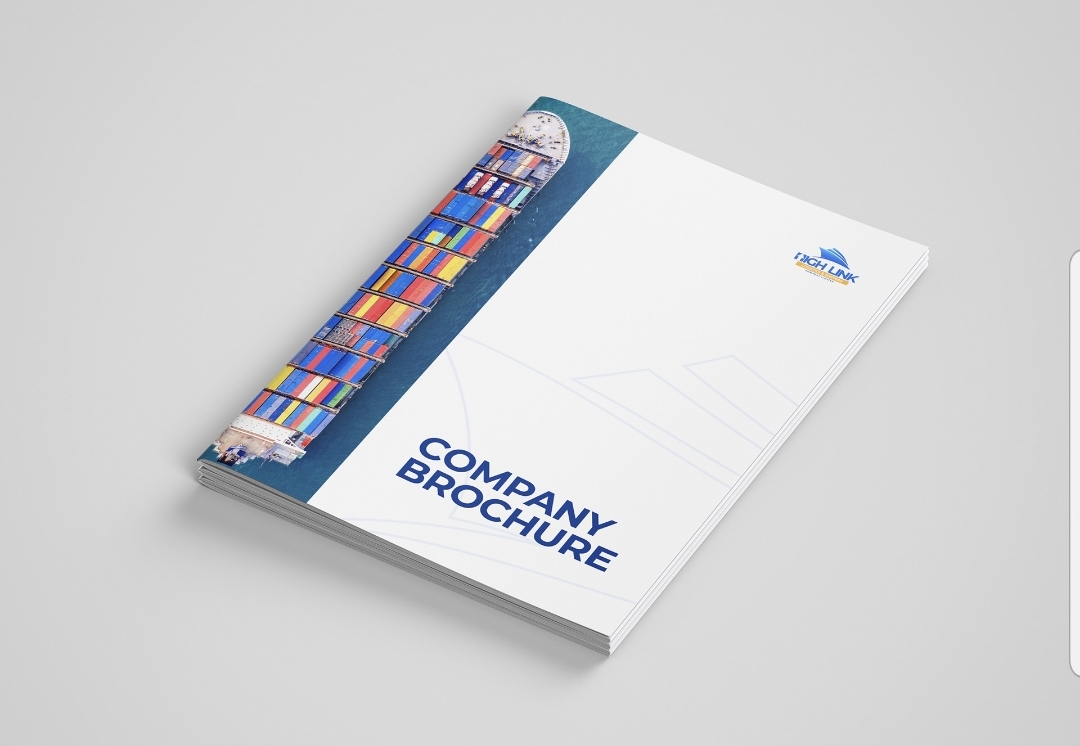
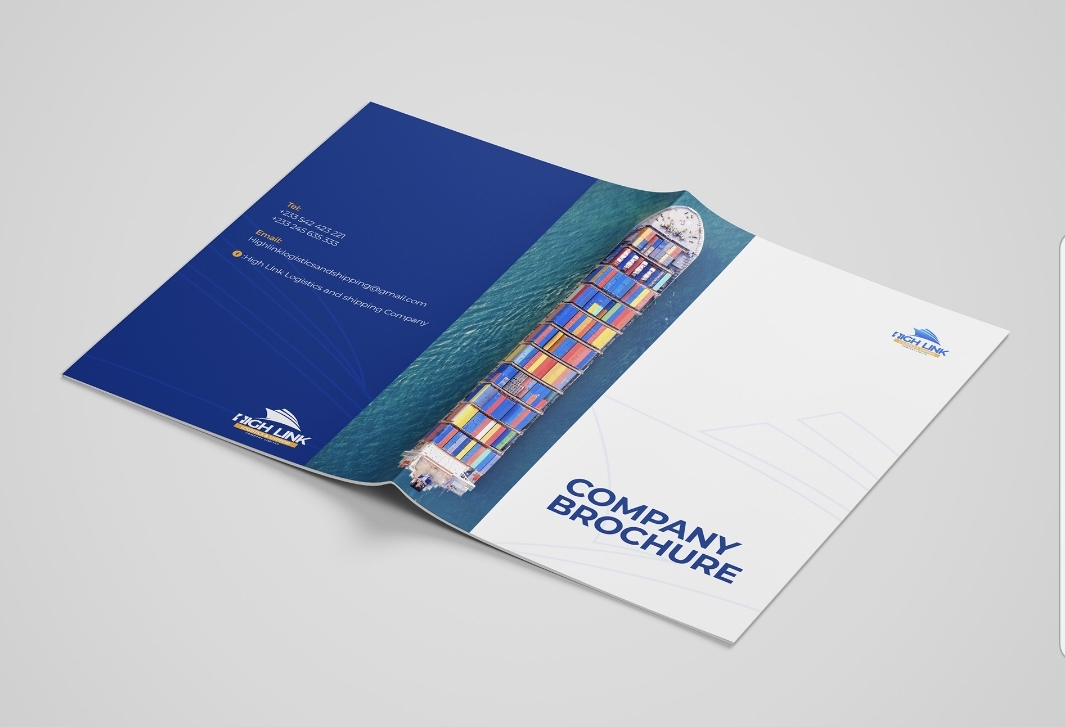
Best Practices for Brochure Printing
1. Clear design and layout: Ensure the design is clear, concise, and visually appealing.
2. High-quality images: Use high-resolution images to maintain quality when printed.
3. Paper selection: Choose paper that suits the brochure's purpose and desired finish.
4. Color accuracy: Ensure colors are accurate and consistent with brand guidelines.
5. Proofreading: Carefully proofread content for errors before printing.
6. Finishing touches: Consider finishes like gloss, matte, or folds for a professional look.
Design considerations:
1. Visual hierarchy: Organize content to guide the reader's attention.
2. Brand consistency: Align design with the company's brand identity.
3. Clear messaging: Ensure the brochure clearly communicates the intended message.
4. Readability: Use fonts and sizes that are easy to read.
Printing considerations:
1. Print method: Choose between digital or offset printing based on quantity and budget.
2. Color mode: Ensure design files are in the correct color mode (CMYK for print).
3. Bleed and margins: Account for bleed areas and margins in design.
Distribution and use:
1. Targeted distribution: Distribute brochures to relevant audiences or locations.
2. Event usage: Use brochures at events, trade shows, or in-store displays.
3. Follow-up: Consider follow-up actions like email campaigns or calls.
Tips for effective brochures:
1. Focus on benefits: Highlight benefits of products or services.
2. Include a call-to-action: Encourage readers to take a specific action.
3. Use compelling visuals: Images and graphics should support the message.
4. Keep it concise: Balance content with white space for readability.
By following these best practices, brochures can effectively communicate information and promote a company's brand.