What is Vinyl printing?
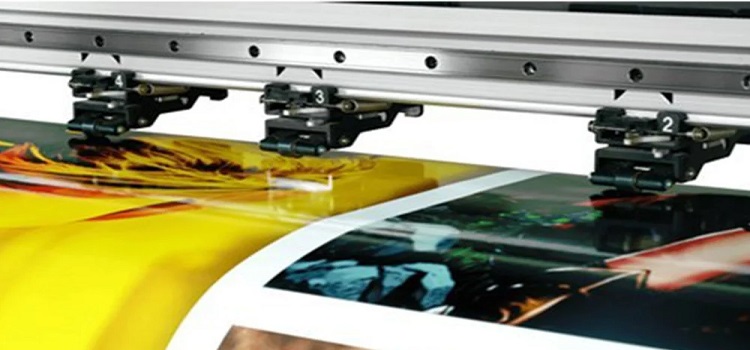
Vinyl printing, often referred to as vinyl graphics or vinyl decal printing, is a popular method for creating high-quality graphics and signage. It involves printing designs onto a special type of vinyl material, which is then cut to shape and applied to various surfaces.
Some key aspects of vinyl printing
1. Materials: Vinyl printing typically uses a durable PVC (polyvinyl chloride) material that can withstand various environmental conditions, making it suitable for both indoor and outdoor applications. There are different types of vinyl, including adhesive vinyl, heat transfer vinyl, and removable vinyl, each suited for specific purposes.
2. Printing Process: The process begins with a digital design created using graphic design software. A printer with specialized inks, such as eco-solvent or latex inks, prints the design directly onto the vinyl. This method allows for vibrant colors and intricate details.
3. Cutting and Weeding After printing, the vinyl is often cut into specific shapes using a vinyl cutter or plotter. “Weeding” is the process of removing excess vinyl around the design, which prepares it for application.
4. Application: Vinyl prints can be applied to a wide variety of surfaces, including walls, windows, vehicles, and signs. Depending on the type of adhesive used, some vinyls are permanent, while others can be easily removed without leaving residue.
5. Versatility: One of the main advantages of vinyl printing is its versatility. It can be used for banners, decals, stickers, and custom clothing designs, making it a favored choice for businesses and individuals alike.
6. Durability and Maintenance: Vinyl prints are known for their durability. High-quality vinyl can last for several years without fading, cracking, or peeling. Moreover, they are often easy to clean and maintain, which makes them ideal for long-term use.
7. Cost-Effectiveness**: Compared to other printing methods, vinyl printing is relatively cost-effective, especially for small to medium-sized runs. The ability to create detailed designs without the need for expensive setups further enhances its affordability.
8. Environmental Considerations: With advancements in printing technology, many vinyl inks are now more environmentally friendly. Brands are developing eco-solvent inks and recyclable vinyl options to reduce the ecological impact.
What surfaces can adhesive vinyl be applied to?
Adhesive vinyl can be applied to various surfaces such as walls, windows, floors, vehicles, laptops, and more. It adheres well to smooth, clean, and non-porous surfaces.
How do I apply adhesive vinyl?
Applying adhesive vinyl is a straightforward process. First, ensure that the surface is clean and dry. Then, peel off the backing to expose the adhesive side of the vinyl and carefully position it on the desired surface. Smooth out any air bubbles or wrinkles using a squeegee or similar tool.
Is adhesive vinyl weather-resistant?
Yes, adhesive vinyl is designed to be weather-resistant and withstand outdoor conditions. It is typically resistant to fading, UV rays, moisture, and mild chemicals, ensuring the longevity of your graphics.
What are common uses for adhesive vinyl?
Adhesive vinyl has a wide range of uses. It is commonly used for signage, window graphics, vehicle wraps, wall decals, floor graphics, labels, and promotional displays in various industries, including retail, hospitality, events, and more.
THE PRINTING QUALITY YOU NEED FOR GIFT-ITEMS
When it comes to quality printing for gift items, the type of printing you need depends on several factors, including the materials of the gift items, the design complexity, and the intended use.
Common Printing methods and considerations that will help you
1. Digital Printing: This is ideal for items like personalized mugs, tote bags, and T-shirts. Digital printing produces high-quality images with vibrant colors and is great for short runs, making it cost-effective for custom gifts.
2. Screen Printing: Often used for apparel and textiles, screen printing provides durability and vibrant colors. It is suitable for larger quantities, as the setup costs can be high, but it results in long-lasting prints.
3. Heat Transfer Printing: This method is excellent for fabrics and can be used for T-shirts, hoodies, and other textiles. It allows for detailed designs and is a good choice for smaller batches.
4. Sublimation Printing: This technique works well for polyester fabrics and coated items like mugs and phone cases. Sublimation allows designs to become part of the material, resulting in vibrant, long-lasting prints that don’t fade or crack.
5. Vinyl Cutting: Perfect for stickers, decals, and customized labels, vinyl cutting offers crisp lines and vibrant colors. It's a versatile method for creating intricate designs and works well on various substrates.
6. Embroidery: For items like hats, jackets, and bags, embroidery adds a professional touch. It’s durable and gives a classic look but is typically more expensive than other printing methods.
7. Photo Printing: If your gift items include high-resolution photographs, ensure to use a service that specializes in photo printing. This method is ideal for items like photo books, calendars, or canvas prints.
8. Laser Engraving: For materials like wood, glass, or metal, laser engraving can provide a unique and classy finish. It’s great for creating personalized or custom designs that last a lifetime.
Considerations:
Material: Ensure the printing method is compatible with the materials of your gift items.
Quantity: Some methods are more cost-effective for bulk orders, while others are better for custom, one-off items.
Design Complexity: If your design has many colors or intricate details, digital printing or sublimation might be better suited.
Budget: Different printing methods have varying costs, so it’s important to choose one that aligns with your budget while meeting your quality requirements.
In summary, the best quality printing for gift items will depend on the specific type of item, the design you have in mind, and how you plan to use or present the gifts. Be sure to discuss your needs with a printing service to determine the best option for your project.
The Advancement of Printing Technology
The advancement of printing technology has undoubtedly shaped the landscape of the 21st century. Digital printing stands at the forefront, revolutionizing how we approach graphic design and production. With its origins rooted in traditional techniques, digital printing continues to evolve, bringing forth remarkable innovations such as UV printing.
The advantages of this technology are manifold—speed, efficiency, and cost-effectiveness make it a go-to choice for businesses across various sectors. Its applications span from packaging to textiles and marketing materials, showcasing its versatility and impact on multiple industries.
As we look ahead, it's clear that digital printing is poised for further growth. Advancements in technology promise even more refined processes and creative possibilities for designers. The future looks bright for those who embrace these changes.
Navigating the world of digital printing will be essential for anyone involved in graphic design or related fields. Adapting to new trends while leveraging existing technologies can lead to innovative solutions that meet consumer demands efficiently.
Digital printing has revolutionized how industries operate. From fashion to packaging, the impact is profound and far-reaching. In retail, brands utilize digital printing for customized products.
Best Practices for Brochure Printing
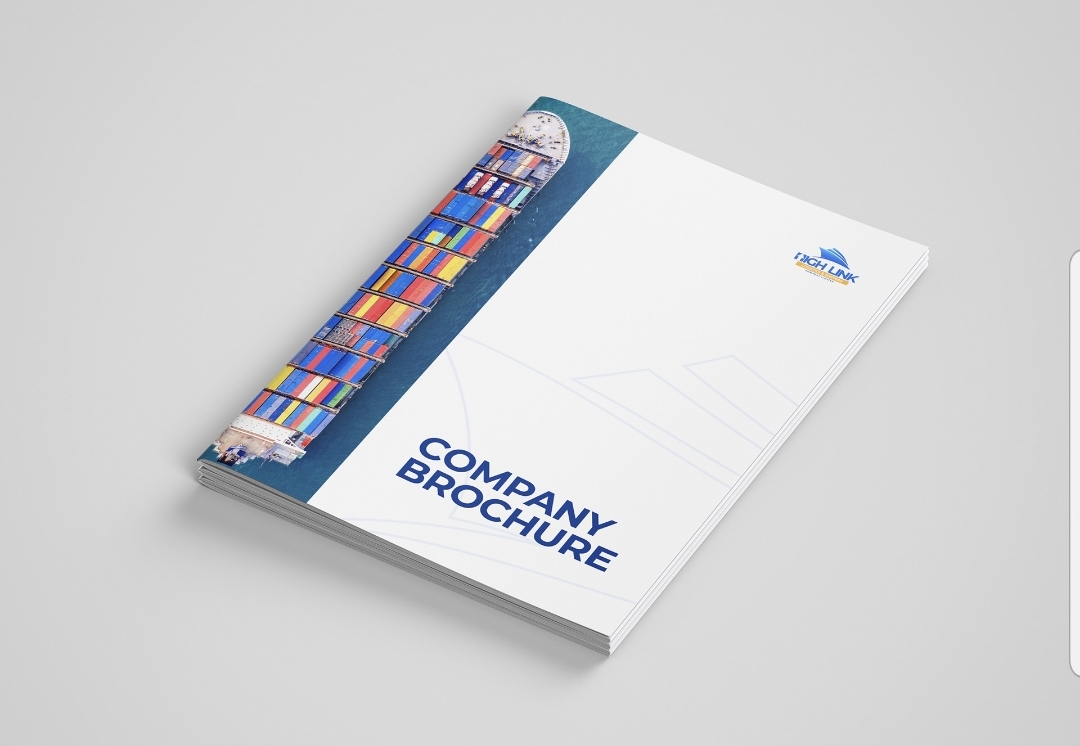
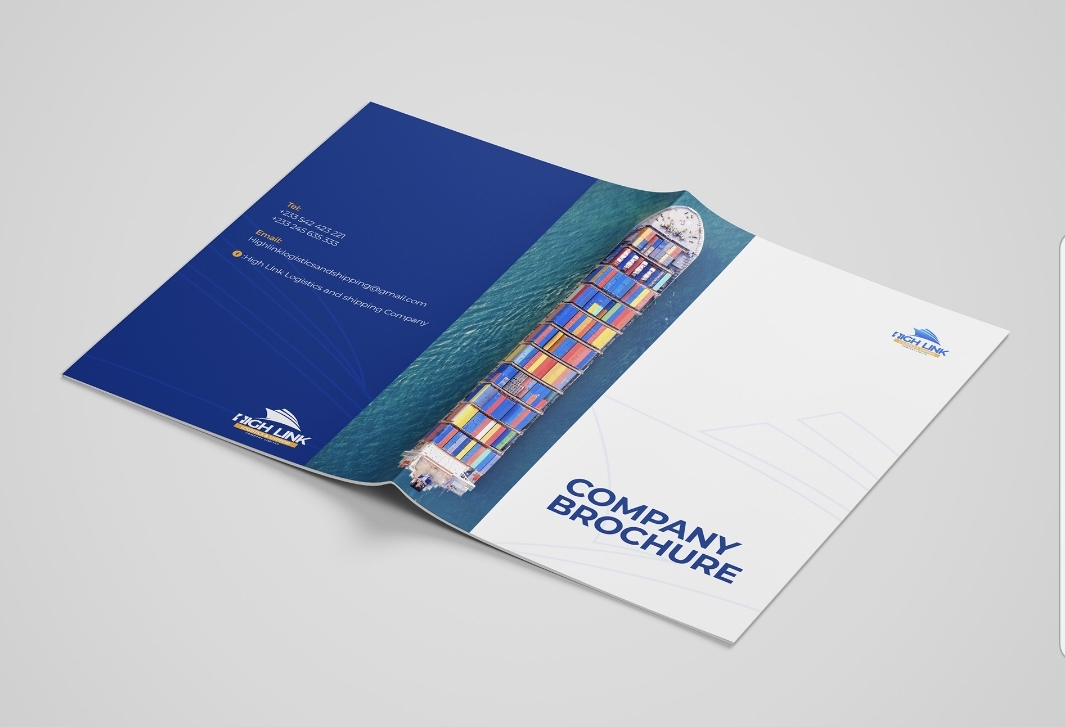
1. Clear design and layout: Ensure the design is clear, concise, and visually appealing.
2. High-quality images: Use high-resolution images to maintain quality when printed.
3. Paper selection: Choose paper that suits the brochure's purpose and desired finish.
4. Color accuracy: Ensure colors are accurate and consistent with brand guidelines.
5. Proofreading: Carefully proofread content for errors before printing.
6. Finishing touches: Consider finishes like gloss, matte, or folds for a professional look.
Design considerations:
1. Visual hierarchy: Organize content to guide the reader's attention.
2. Brand consistency: Align design with the company's brand identity.
3. Clear messaging: Ensure the brochure clearly communicates the intended message.
4. Readability: Use fonts and sizes that are easy to read.
Printing considerations:
1. Print method: Choose between digital or offset printing based on quantity and budget.
2. Color mode: Ensure design files are in the correct color mode (CMYK for print).
3. Bleed and margins: Account for bleed areas and margins in design.
Distribution and use:
1. Targeted distribution: Distribute brochures to relevant audiences or locations.
2. Event usage: Use brochures at events, trade shows, or in-store displays.
3. Follow-up: Consider follow-up actions like email campaigns or calls.
Tips for effective brochures:
1. Focus on benefits: Highlight benefits of products or services.
2. Include a call-to-action: Encourage readers to take a specific action.
3. Use compelling visuals: Images and graphics should support the message.
4. Keep it concise: Balance content with white space for readability.
By following these best practices, brochures can effectively communicate information and promote a company's brand.
Impact of Graphic Design in Branding
1. Visual identity creation: Graphic design helps create a brand's visual identity, including logos, color schemes, and typography.
2. Brand recognition: Consistent graphic design elements enhance brand recognition and memorability.
3. Emotional connection: Design can evoke emotions and create connections with the target audience.
4. Professionalism and credibility: High-quality design conveys professionalism and credibility.
5. Differentiation: Unique design elements help differentiate a brand from competitors.
Key aspects of graphic design in branding:
1. Logo design: A logo is a critical element of a brand's visual identity.
2. Color palette: Colors evoke emotions and contribute to brand recognition.
3. Typography: Fonts and typography convey the brand's personality and tone.
4. Imagery and icons: Consistent use of imagery and icons reinforces brand identity.
Benefits of effective graphic design in branding:
1. Consistency across touchpoints: Consistent design builds a cohesive brand experience.
2. Increased brand loyalty: Strong visual identity can foster loyalty and trust.
3. Enhanced communication: Design helps communicate the brand's message and values.
4. Memorable brand experience: Effective design creates a lasting impression.