

Let's Create and Brand your style, @ Vibegraceprint.
Production Turnaround:
Standard: 3-2 working days
Express:
within 24hours (attracts aditional fee)
Delivery/Shipping:
Standard delivery time: 3-2 working days
Express delivery: within 24hours
For same day express delivery:
Orders placed after 10AM will be delievered the next day.
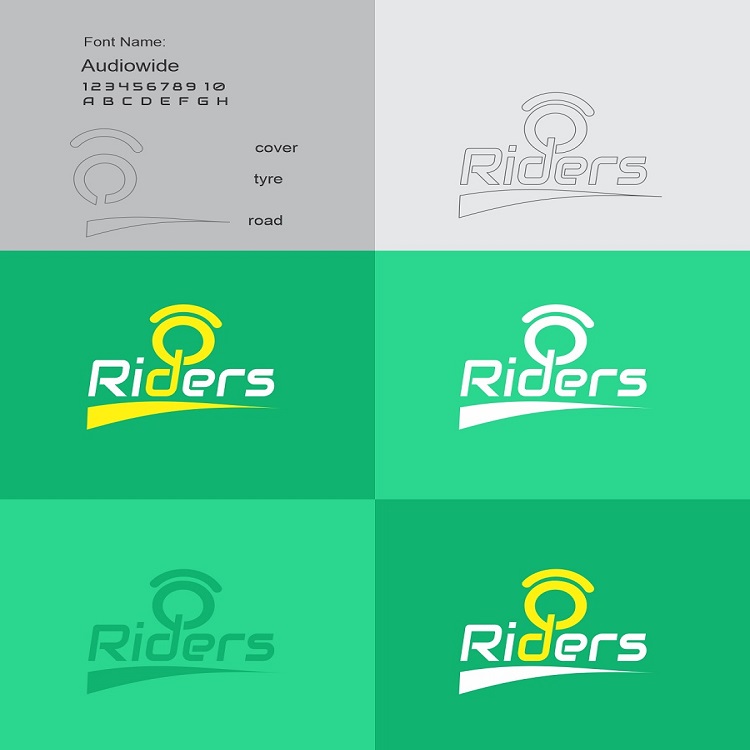
Logo Design as a crucial component of identity design
Logo design is a crucial component of identity design, serving as the visual centerpiece of a brand's identity. Here are some key aspects of logo design within the context of identity design:
1. Brand Recognition:
- The logo is often the first element that consumers associate with a brand. A well-designed logo enhances recognition and makes it easier for customers to identify the brand among competitors.
2. Visual Representation:
- A logo visually encapsulates the essence of the brand. It should reflect the brand’s values, mission, and personality, establishing an emotional connection with the audience.
3. Simplicity and Versatility:
- Effective logos are often simple and versatile, making them easy to use across various platforms and mediums, from business cards to storefronts to digital media. A simple design is typically more memorable and recognizable.
4. Color Psychology:
- Colors play a significant role in logo design and can influence consumer perceptions. Different colors can evoke various emotions and associations, so choosing the right palette is crucial for aligning the logo with the brand's identity.
5. Typography:
- The choice of typography in a logo can convey different messages and feelings. A logo might include custom typography that reflects the brand’s character, whether it's modern, traditional, playful, or authoritative.
6. Originality and Uniqueness:
- A logo should be distinctive to differentiate the brand from competitors. Original designs help to avoid confusion in the market and strengthen brand identity.
7. Longevity:
- A good logo is designed to be timeless. While it may evolve over time, the core elements should remain relevant and able to stand the test of changing trends, avoiding the need for frequent redesigns that can confuse consumers.
8. Integration with the Brand Identity:
- The logo must be integrated seamlessly with other identity design elements, such as color schemes, brand materials, packaging, and marketing collateral, to create a cohesive brand experience.
9. Adaptability:
- The logo should work well in various applications, whether in monochrome, color, digital formats, or print. This adaptability ensures that it maintains its integrity across different environments and uses.
10. Emotional Connection:
- An effective logo design can evoke emotions and inspire loyalty. When designed thoughtfully, it communicates the brand’s story and values, allowing consumers to feel a connection beyond just the product or service.
In summary, logo design is a vital element of identity design that encapsulates the brand's essence, fosters recognition, and establishes a visual anchor for all branding efforts.
A strong logo can enhance overall brand equity and contribute significantly to a brand's success.
Understanding the Meaning of Identity Branding and Identity design
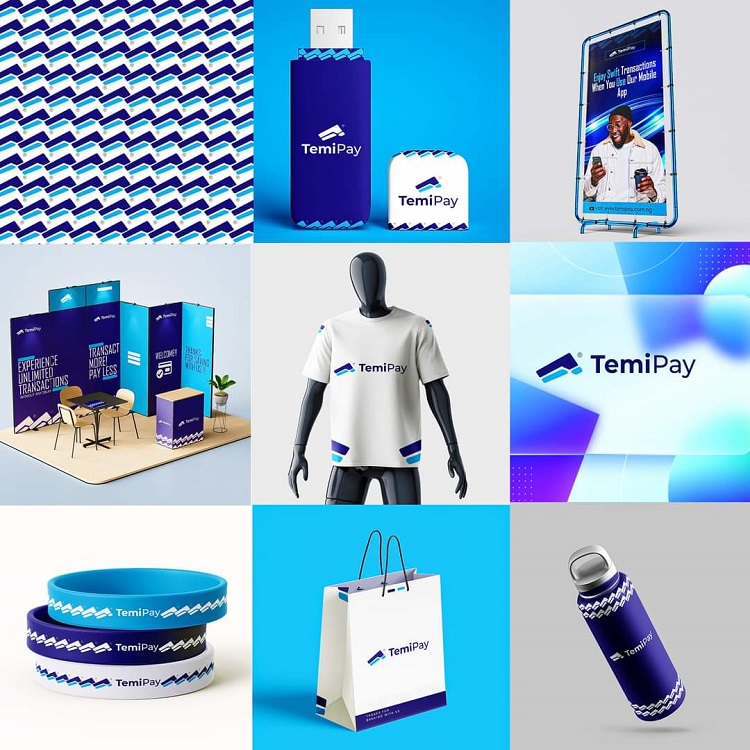
Identity branding refers to the process of creating a unique image and identity for a brand that sets it apart from competitors. This involves defining the brand's mission, values, and personality, as well as designing visual elements like logos, colors, and typography that align with that identity. The goal is to form a strong connection with the target audience, making the brand recognizable and memorable.
Effective identity branding communicates the essence of what the brand stands for and helps build customer loyalty.
The impact of identity branding on a product can be significant and multifaceted. Here are some key effects:
1. Differentiation: A strong identity branding helps a product stand out in a crowded market. Unique visual elements and messaging can make a product more recognizable and memorable, making it easier for consumers to choose it over competitors.
2. Brand Loyalty: Effective identity branding fosters emotional connections with consumers. When customers identify with a brand's values and personality, they are more likely to develop loyalty, leading to repeat purchases and long-term relationships.
3. Perceived Value: A well-crafted brand identity can elevate a product’s perceived value. Consumers may be willing to pay a premium for a product they associate with high quality, sophistication, or status, all of which can be communicated through branding.
4. Trust and Credibility: Consistent and authentic branding builds trust with consumers. When a product is presented with clear and coherent branding, it conveys professionalism and reliability, making consumers feel more confident in their purchase.
5. Customer Experience: Identity branding shapes the overall customer experience. From packaging design to marketing campaigns, a cohesive brand identity ensures that every touchpoint reflects the brand’s values and messaging, enhancing the consumer’s experience with the product.
6. Emotional Connection: Strong identity branding often tells a story that resonates with customers on an emotional level. This connection can influence buying decisions and make consumers feel aligned with the brand’s mission or lifestyle, increasing their investment in the product.
7. Market Positioning: Identity branding helps clarify a product’s position within the market. It can effectively communicate whether a product is positioned as a luxury item, an eco-friendly option, or a family-friendly choice, influencing target audience perception.
8. Adaptability and Evolution: A strong brand identity can create a framework that allows products to evolve over time. Companies can introduce new products or line extensions under the same brand umbrella, maintaining brand recognition while expanding their offerings.
9. Word-of-Mouth and Advocacy: A compelling identity inspires customers to share their experiences and endorse the brand to others. Satisfied customers who identify with a brand are likely to become advocates, driving organic growth through word-of-mouth.
10. Cultural Relevance: Strong identity branding can align a product with cultural movements or trends, allowing it to resonate with specific demographics. This relevance can significantly influence consumer interest and purchasing decisions.
Overall, identity branding plays a crucial role in shaping perceptions, driving sales, and building relationships with customers, ultimately influencing a product's success in the market.
Difference between Identity design and Identity Branding
The terms "identity design" and "identity branding" are related but refer to different aspects of how a brand presents itself. Here are the key differences:
Identity Design
1. Definition: Identity design focuses on the visual and tangible aspects of a brand's identity. This includes the creation of elements like logos, color palettes, typography, and overall visual style.
2. Components**: It encompasses graphic elements, packaging design, business cards, signage, and any visual representation that helps convey the brand’s image.
3. Process: The identity design process typically involves graphic designers and creative teams who conceptualize and create these visual elements based on brand guidelines.
4. Purpose: The primary aim of identity design is to create a cohesive and recognizable visual language that can be applied consistently across various media and touchpoints.
5. **Tools and Techniques: Identity design employs design software and tools, focusing on aesthetics and functionality to ensure the brand's visuals align with its values and target audience.
Identity Branding
1. Definition: Identity branding is a broader concept that encompasses not only visual elements but also the overall perception and positioning of a brand in the market. It involves communicating the brand’s values, personality, and mission.
2. Components: It includes brand strategy, messaging, storytelling, customer experience, and overall brand positioning in addition to visual identity elements.
3. Process: Identity branding involves strategic planning, market research, and team collaboration, often integrating input from marketers, brand strategists, and designers.
4. Purpose: The primary aim of identity branding is to build a strong, distinctive brand that resonates with the target audience, enhances brand loyalty, and communicates its core values effectively.
5. Tools and Techniques: It relies on branding guidelines, marketing strategies, customer feedback, and storytelling techniques to create a cohesive brand experience beyond just visual design.
In summary, **identity design** is primarily concerned with the visual representation and aesthetic elements of a brand, while **identity branding** encompasses a holistic approach that includes strategy, messaging, and audience engagement to shape how the
brand is perceived in the market. Both are essential for creating a successful brand, but they address different aspects of brand development.
Best Practices for Identy Branding
Identity branding plays a significant role in product awareness by influencing how well consumers recognize and recall a brand. Here are some key ways in which identity branding impacts product awareness:
1. Visual Recognition: Strong visual branding—such as logos, colors, and packaging—helps create instant recognition. Consistent use of these elements makes it easier for consumers to identify products quickly, even in crowded retail environments.
2. Distinct Messaging: Clear brand messaging establishes what the brand stands for and what consumers can expect. When messaging resonates with the audience, it enhances recall and makes it more likely that consumers will be aware of a product when making purchasing decisions.
3. Emotional Resonance: Identity branding that taps into consumers' emotions can create a more memorable presence. Brands that connect on an emotional level build stronger awareness, as customers are more likely to remember and talk about products they feel a connection to.
4. Engagement Strategies: Effective identity branding often includes engaging marketing strategies and campaigns that increase visibility. Utilizing social media, influencer partnerships, and other digital marketing tactics helps broaden the reach and elevates product awareness.
5. Consistency Across Channels: A consistent brand identity across various platforms—such as social media, websites, and print materials—reinforces product awareness. When consumers see the same branding elements repeatedly, it solidifies their understanding and recall of the product.
6. Brand Storytelling: Sharing compelling stories about the brand and its products enhances awareness. When customers can relate to a brand’s narrative, they are more likely to remember the product and share it with others.
7. Cultural Relevance: Brands that effectively align their identity with current cultural trends or social movements are more likely to resonate with their target audience. This relevance can enhance awareness as consumers engage with products that reflect their values.
8. Word-of-Mouth Marketing: A strong brand identity often leads to increased word-of-mouth awareness. Satisfied customers who identify with a brand are more inclined to share their experiences with friends and family, spreading awareness organically.
9. Sponsorships and Partnerships: Collaborations and sponsorships with other relevant brands or events can enhance visibility. A well-placed partnership can leverage the audiences of both brands, increasing overall product awareness.
10. Feedback and Adaptation: Actively seeking customer feedback about brand identity and awareness can help brands adapt their strategies. Understanding what resonates with consumers allows brands to refine their approach, improving recognition.
Ultimately, strong identity branding creates a foundation for product awareness by ensuring that consumers easily recognize, understand, and connect with a brand, leading to greater visibility and sales potential in the market.
Best practices for Identity Design
Best practices for identity design are crucial to creating a strong and cohesive brand image. Here are some essential guidelines:
1. Understand Your Brand: Begin by clearly defining your brand’s mission, values, and target audience. This foundational knowledge will inform every aspect of your identity design.
2. Create a Simple and Memorable Logo: Your logo should be distinctive and easily recognizable. Aim for simplicity; a complex design can be hard to remember and may not scale well across various mediums.
3. Choose a Cohesive Color Palette: Select colors that align with your brand personality and evoke the desired emotions. Ensure the palette works well together and is versatile for different applications.
4. Select Appropriate Typography: Choose fonts that reflect your brand's tone and are legible across different sizes and formats. Limit your selection to two or three complementary typefaces to maintain consistency.
5. Maintain Consistency: Use the same visual elements—like colors, fonts, and logos—across all branding materials, including digital platforms, print materials, and product packaging. Consistency strengthens recognition.
6. Develop Brand Guidelines: Create a comprehensive style guide that outlines how to use the various elements of your identity design. This ensures that anyone involved in brand communications adheres to a unified approach.
7. Incorporate Visual Hierarchy: Design your materials to prioritize important information. Use size, color, and spacing to create a visual flow that guides the audience's attention.
8. Versatility and Scalability: Ensure your design works well in various formats and sizes, from business cards to large banners. A versatile identity adapts to different contexts without losing its impact.
9. Stay Timeless, Yet Relevant: While it’s essential to reflect current trends, aim for a design that will remain relevant over time. Avoid overly trendy elements that may quickly become outdated.
10. Solicit Feedback: Before finalizing your design, gather feedback from stakeholders or a sample of your target audience. This can provide insights into how your identity is perceived and help identify any necessary adjustments.
11. **Test in Real-World Applications**: Implement your identity design in different contexts (e.g., social media, packaging, advertising) to see how it performs and resonates with your audience.
12. **Evolve When Necessary**: Be open to updating your identity as your brand grows or as market dynamics change. A well-executed refresh can keep your branding relevant without losing its core essence.
By following these best practices, you can create a compelling identity design that effectively represents your brand and resonates well with your audience.
Identity Branding and Products Awareness
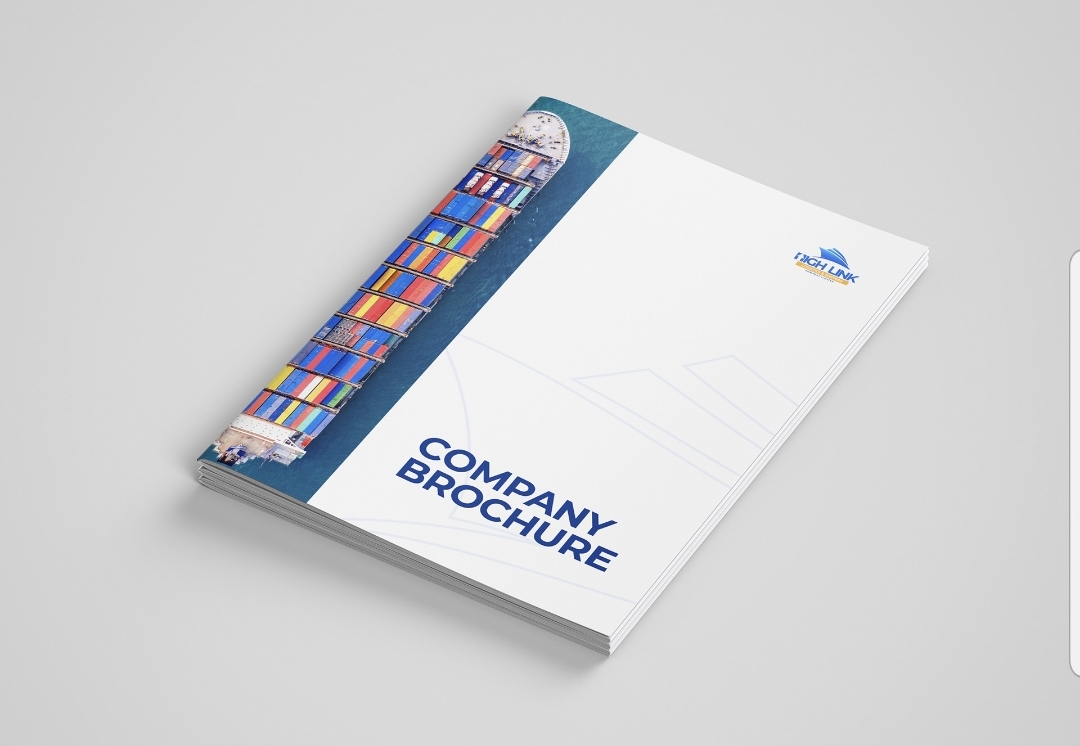
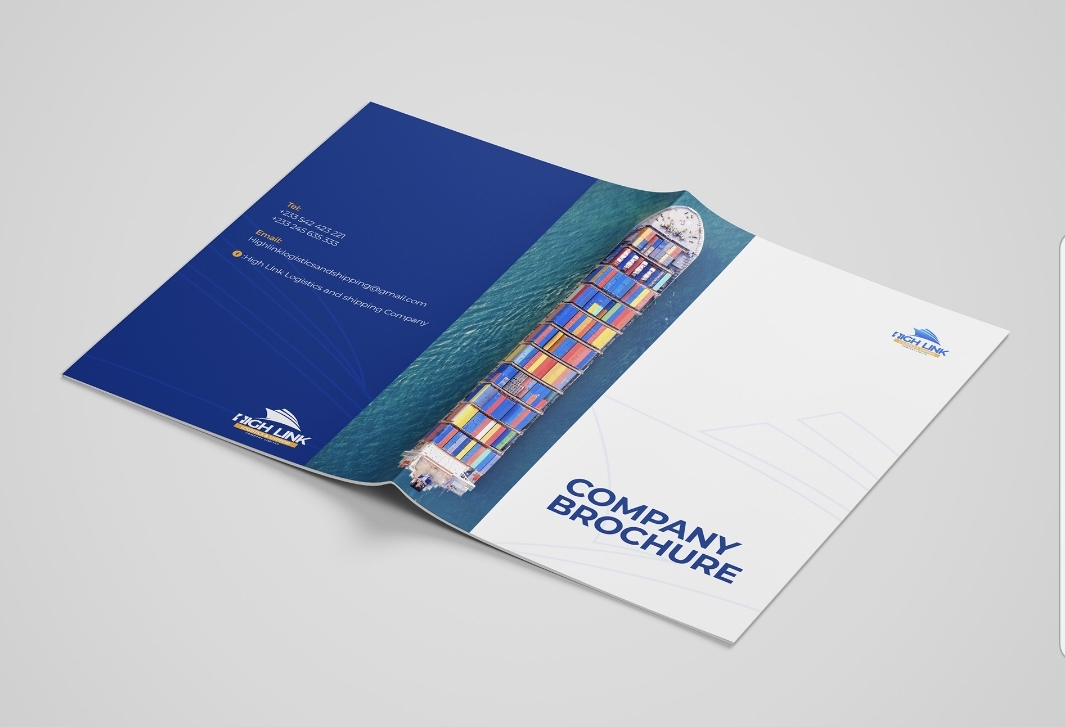
Identity branding plays a significant role in product awareness by influencing how well consumers recognize and recall a brand. Here are some key ways in which identity branding impacts product awareness:
1. Visual Recognition: Strong visual branding—such as logos, colors, and packaging—helps create instant recognition. Consistent use of these elements makes it easier for consumers to identify products quickly, even in crowded retail environments.
2. Distinct Messaging: Clear brand messaging establishes what the brand stands for and what consumers can expect. When messaging resonates with the audience, it enhances recall and makes it more likely that consumers will be aware of a product when making purchasing decisions.
3. Emotional Resonance: Identity branding that taps into consumers' emotions can create a more memorable presence. Brands that connect on an emotional level build stronger awareness, as customers are more likely to remember and talk about products they feel a connection to.
4. Engagement Strategies: Effective identity branding often includes engaging marketing strategies and campaigns that increase visibility. Utilizing social media, influencer partnerships, and other digital marketing tactics helps broaden the reach and elevates product awareness.
5. Consistency Across Channels: A consistent brand identity across various platforms—such as social media, websites, and print materials—reinforces product awareness. When consumers see the same branding elements repeatedly, it solidifies their understanding and recall of the product.
6. Brand Storytelling: Sharing compelling stories about the brand and its products enhances awareness. When customers can relate to a brand’s narrative, they are more likely to remember the product and share it with others.
7. Cultural Relevance: Brands that effectively align their identity with current cultural trends or social movements are more likely to resonate with their target audience. This relevance can enhance awareness as consumers engage with products that reflect their values.
8. Word-of-Mouth Marketing: A strong brand identity often leads to increased word-of-mouth awareness. Satisfied customers who identify with a brand are more inclined to share their experiences with friends and family, spreading awareness organically.
9. Sponsorships and Partnerships: Collaborations and sponsorships with other relevant brands or events can enhance visibility. A well-placed partnership can leverage the audiences of both brands, increasing overall product awareness.
10. Feedback and Adaptation: Actively seeking customer feedback about brand identity and awareness can help brands adapt their strategies. Understanding what resonates with consumers allows brands to refine their approach, improving recognition.
Ultimately, strong identity branding creates a foundation for product awareness by ensuring that consumers easily recognize, understand, and connect with a brand, leading to greater visibility and sales potential in the market.