
Production Turnaround:
Standard: 3-2 working days
Express: within 24hours (attracts aditional fee)
Delivery/Shipping:
Standard delivery time: 3-2 working days
Express delivery: within 24hours
For same day express delivery:
Orders placed after 10AM will be delievered the next day.
What is Table Tent Card
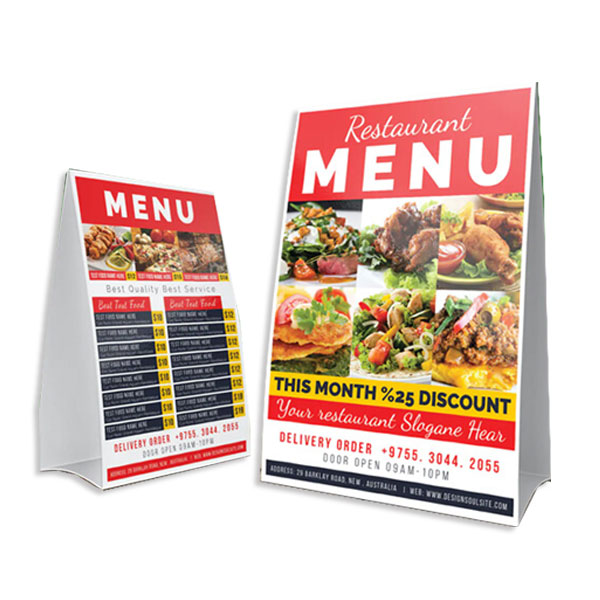
A table tent card is a type of advertising or informational display typically made from a folded cardstock or thick paper that stands upright on tables or surfaces. These cards are commonly used in various environments, such as restaurants, events, trade shows, and corporate settings. Here are some key aspects of table tent cards:
1. Design and Size: Table tent cards come in various sizes and designs, allowing for flexibility in presentation. They can be printed in a variety of dimensions, such as standard sizes (e.g., 4” x 6” or 5” x 7”) or custom shapes. The design can be tailored to effectively communicate the intended message, visually engage the audience, and align with branding elements.
2. Promotional Use: One of the primary purposes of table tent cards is to promote products, services, or special offers. In restaurants, for example, they might highlight daily specials, new menu items, or promotional discounts. In trade shows or events, they can showcase featured products or provide information on services.
3. Informational Purposes: Beyond promotions, table tent cards can serve as informational tools. They can include important details such as event schedules, directions, website URLs, or QR codes that direct users to digital content or online platforms. This functionality makes them valuable for engaging and informing attendees.
4. Visual Appeal: The design of a table tent card should be visually engaging to capture the attention of passersby or guests at a table. This can involve the use of vibrant colors, clear typography, and high-quality images that convey the intended message effectively. Good design ensures that the card stands out and is easy to read.
5. Durability: Depending on where and how they will be used, table tent cards can vary in durability. For long-term use, materials such as laminated or thicker cardstock are recommended to withstand spills, wear, and handling without losing their visual appeal.
6. Placement and Positioning: Table tent cards are typically placed on dining tables, countertops, or display tables, allowing easy visibility without taking up excessive space. Their design allows for 360-degree visibility, ensuring that the message can be seen from multiple angles.
In summary, table tent cards are versatile marketing and informational tools that effectively promote products, services, or events while engaging and informing an audience. Their customizable design and ease of placement make them valuable assets in various commercial and promotional settings.
Best Printing practices for table tent card
When printing table tent cards, several important factors should be taken into consideration to ensure that the final product effectively communicates the intended message and meets overall design objectives. Here are the key factors to consider:
1. Design Elements: The design of the table tent card is critical. It should include eye-catching visuals, clear typography, and a coherent layout that effectively conveys the desired message. The use of colors, images, and branding elements should align with your overall marketing strategy and appeal to your target audience.
2. Size and Format: Determine the appropriate size of the table tent card based on the available space and the amount of information to be included. Common sizes include standard or custom dimensions. The format (such as single-sided or double-sided) will also impact the design and layout of the content.
3. Material Selection: The material used for the table tent card can significantly affect its durability and appearance. Options such as cardstock, plastic, or heavy paper should be evaluated based on the intended use and environment. For high-traffic areas, consider using materials that are more robust or laminated to prevent wear and tear.
4. Printing Quality: The quality of printing is essential for achieving the desired aesthetic and professional look. Ensure that the printer being used provides high-resolution printing that captures colors accurately and produces sharp images and text. Discuss options for finishes, such as matte or glossy coats, which can enhance the overall appearance.
5. Content Clarity: The information presented on the table tent card should be concise and clear. Avoid overcrowding the design with excessive text or images. Focus on key messages, such as promotional offers, product descriptions, or essential details, and ensure that they are easy to read from a distance.
6. Graphics and Branding: Incorporate relevant graphics, logos, and branding elements that reinforce your identity. Consistent branding enhances recognition and promotes a cohesive experience across various marketing materials. Ensure that all imagery is of high quality and properly licensed if needed.
7. Durability and Environmental Considerations: For table tent cards used in environments where they may be exposed to spills or wear, consider using materials that are resistant to moisture and easy to clean. Additionally, if sustainability is a concern, explore environmentally friendly printing options and materials.
8. Production Time and Budget: Establish a timeline for the project, taking into account design, printing, and any potential revisions. Coordinate deadlines with your printing service to ensure that your table tent cards are ready for use on time. Additionally, determine a budget that includes not only printing costs but also design services and any potential shipping fees.
9. Purpose and Audience: Clearly identify the purpose of the table tent card and tailor the content to address the needs and preferences of your target audience. Understanding who will interact with the card will guide design choices and the type of information featured.
10. Distribution and Placement: Finally, consider where the table tent cards will be placed. Determine the optimal locations for visibility and accessibility, ensuring that the cards are positioned where they can effectively engage the audience and generate interest.
By carefully considering these factors, businesses and organizations can successfully design and print table tent cards that effectively communicate their messages, attract attention, and enhance engagement with their target audience.
Effective Table Tent Card, along with its regular sizes
Designing and printing table tent cards is a straightforward process that allows you to enhance your marketing efforts, whether for events, restaurants, or presentations. Here’s a comprehensive guide to help you create effective table tent cards along with the regular sizes commonly used.
1. Choose Table Tent Card Sizes
- Common Sizes:
- 4" x 6" (portrait or landscape)
- 5" x 7" (portrait)
- 8.5" x 11" (folded to make two 5.5" x 8.5" panels)
- A5 (5.83" x 8.27", often used for restaurants)
- Custom Sizes: Depending on your needs, you can create custom dimensions.
2. Design Your Table Tent Card
- Determine Your Purpose: Clarify what the tent card will showcase (menu items, promotional offers, event details, etc.).
- Use Design Software: Programs like Adobe InDesign, Illustrator, Canva, or even PowerPoint can be used to create your design.
- Create a Compelling Layout:
- Front Side: Eye-catching graphics or titles that attract attention.
- Back Side: Additional details, instructions, or branding elements.
- Include Visual Elements: Use high-quality images, logos, and a color scheme that matches your branding.
- Typography: Use fonts that are easy to read from a distance. Keep it consistent with your brand’s style.
3. Prepare Your Files for Printing
- Resolution: Ensure your images and graphics are at least 300 DPI for a crisp print.
- Export Format: Save your design in formats like PDF, TIFF, or PNG. Make sure to include bleed areas (typically 1/8 inch around the edges) for printing.
4. Select a Printing Service
- Online vs. Local Printing Services: Choose between local print shops or online services. Online services often provide templates and competitive pricing.
- Quality Check: Look for reviews or request samples to assess print quality.
5. Placing Your Order
- Quantity: Determine how many tent cards you need. Think about the event size or duration of use.
- Budget: Get quotes from multiple printers to ensure you're getting a good deal.
6. Distribution and Placement
- Placement Strategy: Decide where to place your table tent cards for maximum visibility (tables, counters, or stands).
- Interactive Engagement: If possible, include QR codes linking to your website or special promotions on your tent cards.
7. Gather Feedback
- Assess Effectiveness: After using the tent cards, ask for feedback from customers or participants to see if they were effective and if improvements can be made for future designs.
By following these steps, you’ll create visually appealing and informative table tent cards that serve their intended purpose effectively!
Desk Calendar as an Effective Souvenir
Good quality printed calendars make excellent souvenirs for several reasons, enhancing their value as meaningful gifts:
1. Personalized Touch: Customizable designs featuring photographs and quotes create unique keepsakes that resonate with recipients.
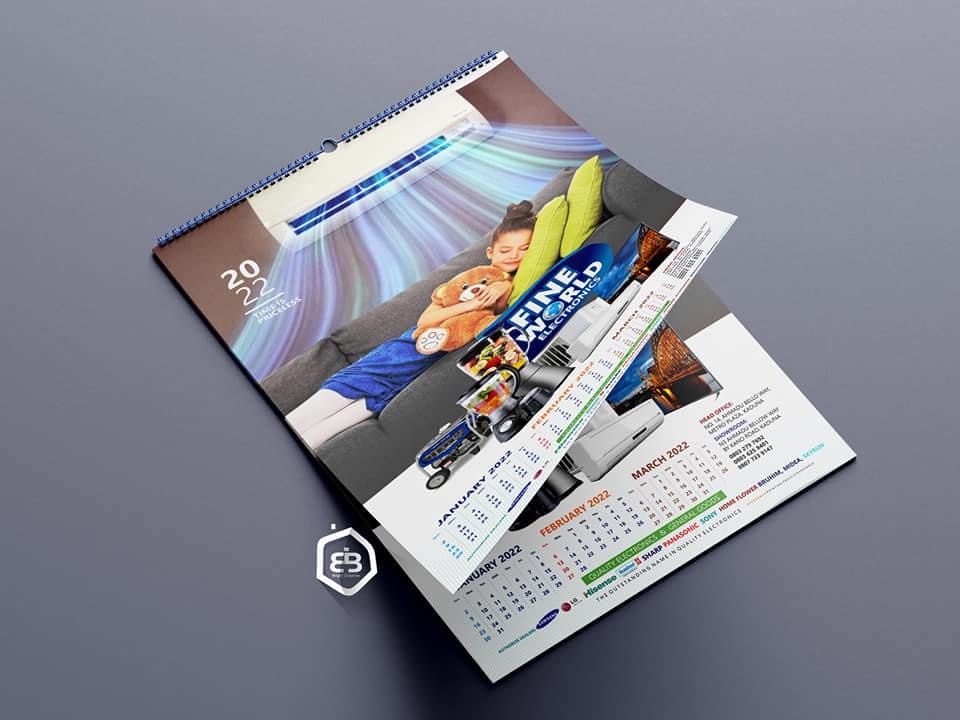
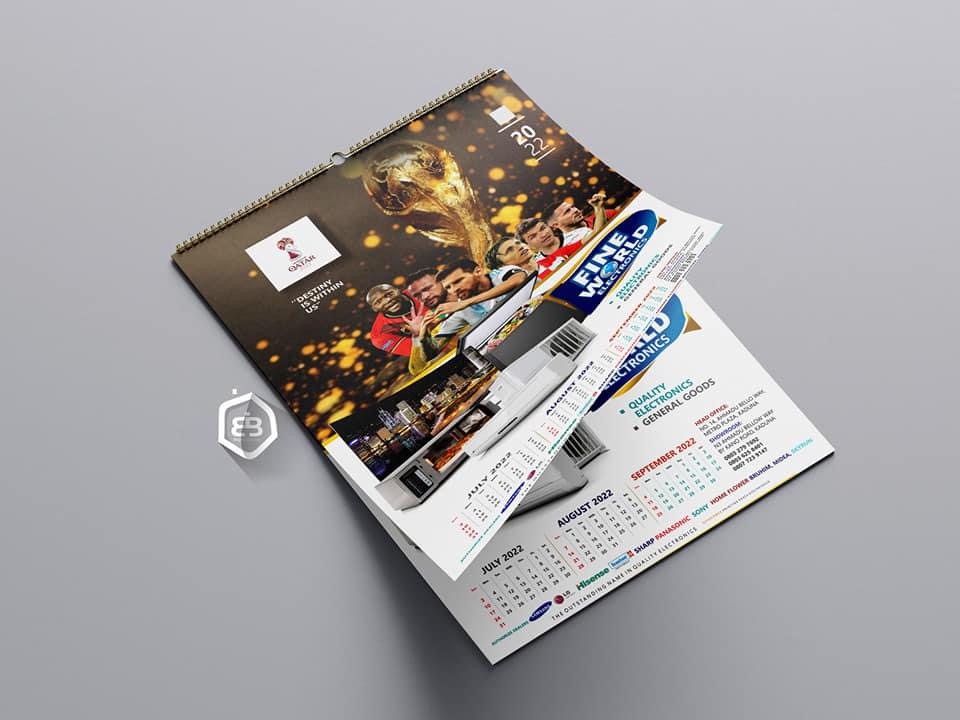
2. Functional Art: A well-crafted wall calendar serves as both a practical tool and a decorative piece, enhancing home or office decor.
3. Year-Round Reminders: Unlike typical souvenirs, calendars remain visible throughout the year, reminding recipients of special memories and themes.
4. Capturing Memories: They can highlight important events and milestones, making them ideal for commemorating significant dates.
5. Promoting Connections: Personalized calendars strengthen relationships, serving as constant reminders of shared experiences between the giver and recipient.
6. Encouraging Organization: These calendars help recipients stay organized while celebrating cherished memories.
7. Variety of Themes: Tailored to different interests—nature, art, travel—wall calendars offer versatile personalization options.
8. Cultural Significance: Calendars reflecting cultural themes or historical events foster a connection to heritage and identity.
In summary, wall calendars combine personalization, functionality, and artistry, making them memorable souvenirs that serve as lasting reminders of special moments throughout the year.