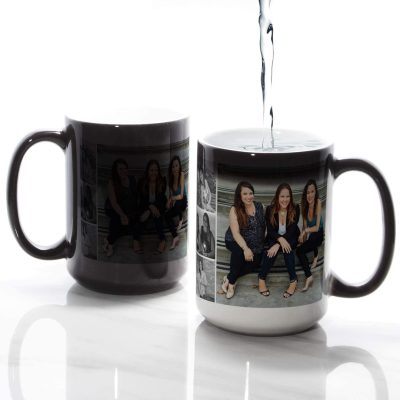
Mug and Sport water bottle
Production Turnaround:
Standard: 3-2 working days
Express:
within 24hours (attracts aditional fee)
Delivery/Shipping:
Standard delivery time: 3-2 working days
Express delivery: within 24hours
For same day express delivery:
Orders placed after 10AM will be delievered the next day.
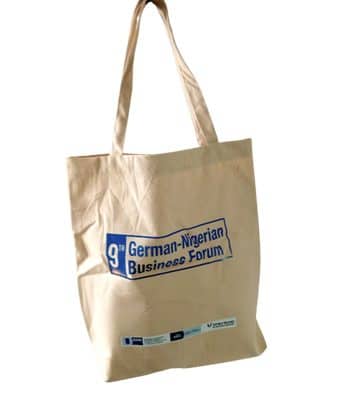
Tote Bag, a good potriat for gift items
A tote bag can be an excellent gift item for several reasons:
1. Practicality: Tote bags are versatile and can be used for a variety of purposes, such as grocery shopping, going to the beach, or carrying books and personal items. This practicality makes them a useful gift that can be appreciated in daily life.
2. Eco-Friendly Option: With increasing awareness of environmental issues, gift recipients may appreciate a reusable tote bag as a sustainable alternative to single-use plastic bags.
3. Customizable: Tote bags can be easily personalized or customized with designs, colors, or messages, making them unique and special for the recipient.
4. Stylish Accessory: Many tote bags are designed to be fashionable, serving as a trendy accessory that complements various outfits. This can appeal to a wide range of tastes.
5. Great for Events: Tote bags are perfect for events like conferences, weddings, or festivals, where they can be filled with goodies, promotional materials, or party favors, providing a functional yet memorable gift.
6. Promotional Opportunities: For businesses, gifting tote bags can serve as effective marketing tools, allowing for brand visibility while offering a practical item to customers or clients.
7. Lightweight and Packable: Tote bags are typically lightweight and easy to fold, making them convenient for travel or storage when not in use.
In summary, tote bags are thoughtful, versatile, and can suit various gifting occasions, making them a fantastic choice for anyone on your gift list.
Designing Tote bags and it's regular sizes
Branding tote bags is a fantastic way to promote your business or organization while providing a useful item for customers. Here’s how to effectively design and explore the regular sizes of branded tote bags:
1. Choose Regular Sizes for Tote Bags
- Standard Sizes:
- Small: Approximately 10" x 10" x 5" – Ideal for small items or as a kid's tote.
- Medium: Approximately 14" x 15" x 4" – Suitable for everyday use, such as a grocery or book bag.
- Large: Approximately 16" x 18" x 6" – Great for larger items like beach gear or gym equipment.
- Extra Large: Approximately 20" x 15" x 8" – Perfect for shopping, travel, or as a weekend bag.
2. Designing Your Tote Bag
- Identify Your Purpose: Determine how you want to use the tote bags—promotional giveaways, merchandise for sale, or eco-friendly alternatives.
- Visual Elements:
- Brand Logo: Ensure your logo is prominently displayed.
- Color Scheme: Use colors consistent with your brand identity.
- Graphics/Text: Include a catchy slogan, website, or social media handles.
- Design Software: Use software like Adobe Illustrator, Canva, or CorelDRAW to create your design.
- Print Area: Keep in mind the printing area; check with your printer for recommended dimensions.
3. Selecting Materials
- Fabric Options: Choose from cotton, canvas, jute, or non-woven polypropylene based on your brand's identity and environmental considerations.
- Durability: Ensure the material is strong enough to carry the intended weight.
4. Preparing for Printing
- File Format: Save your design in high-resolution formats like PDF, EPS, or PNG to maintain quality.
- Bleed and Margins: Include necessary bleed areas and margins for printing to ensure the design fits properly.
5. Choosing a Printing Method
- Screen Printing: Great for bulk orders and simple designs with few colors.
- Digital Printing: Ideal for complex designs with multiple colors or small batches.
- Embroidery: Suitable for logos, providing a classy finish, though it’s usually more expensive.
6. Finding a Printer
- Local vs. Online: Compare local print shops with online printing services. Look for reviews and portfolio samples.
- Minimum Order Quantities: Check for minimum order requirements and pricing.
7. Marketing and Distribution
- Promotional Events: Use tote bags as giveaways at trade shows, markets, or community events.
- In-Store Sales: Consider selling branded tote bags at your retail location as reusable shopping alternatives.
- Social Media Promotion: Encourage customers to take photos with their tote bags and tag your brand for greater visibility.
8. Feedback and Adjustments
- Collect Feedback: After distribution, gather feedback on design and utility to see how well the totes are received.
- Make Adjustments: Use insights to improve future designs or marketing strategies.
By following these steps, you can create effective and attractive branded tote bags that not only promote your brand but provide a practical item your customers will appreciate!
How has printing evolved in the last 10 years?
Printing has seen significant advancements over the last decade, driven by technological innovations and changing consumer demands. Here are some key developments:
1. Digital Printing Advances: Digital printing technology has improved dramatically, allowing for faster turnaround times and higher quality outputs. The introduction of high-resolution printers and advanced ink formulations has made it possible to achieve vibrant colors and intricate details, making digital printing suitable for a wider range of applications.
2. 3D Printing Growth: Over the past 10 years, 3D printing has evolved from a niche technology to a viable method for producing everything from prototypes to finished products. Industries such as manufacturing, healthcare, and even food have embraced 3D printing for its customizable and efficient manufacturing capabilities.
3. Sustainability Initiatives: Environmental concerns have led to a push for more sustainable printing practices. Many companies are now using eco-friendly inks, recyclable materials, and energy-efficient printing processes to minimize their ecological footprint. This trend reflects a growing consumer preference for environmentally responsible products.
4. Ink Technology Innovations: The development of new inks, such as eco-solvent, UV-curable, and latex inks, has enhanced the durability and versatility of printed materials. These advancements have opened new possibilities for applications on various substrates, including textiles, plastics, and metals.
5. Customization and Personalization: There has been a rising demand for personalized products, leading to more printing companies offering customization options. This trend is evident in sectors like apparel, home decor, and promotional items, where consumers increasingly seek unique designs tailored to their preferences.
6. Integration of Technology: Automation and software solutions have streamlined the printing process. Integration with design software and online ordering systems has made it easier for businesses and consumers to create, modify, and order prints efficiently, reducing lead times and improving accuracy.
7. Augmented Reality (AR) and QR Codes: The integration of digital experiences with printed materials has become more common. AR and QR codes on print products help bridge the gap between physical and digital, allowing consumers to engage with brands in interactive ways.
8. Enhanced Quality Control: Advances in quality control technology, including automated inspection systems, have improved the consistency and quality of printed products. These systems help detect flaws early in the printing process, ensuring high standards are maintained.
In summary, the printing industry has embraced innovation over the last decade, leading to better quality, sustainability, and personalized options for consumers and businesses alike. As technology continues to advance, further changes and improvements are likely to shape the future of printing.
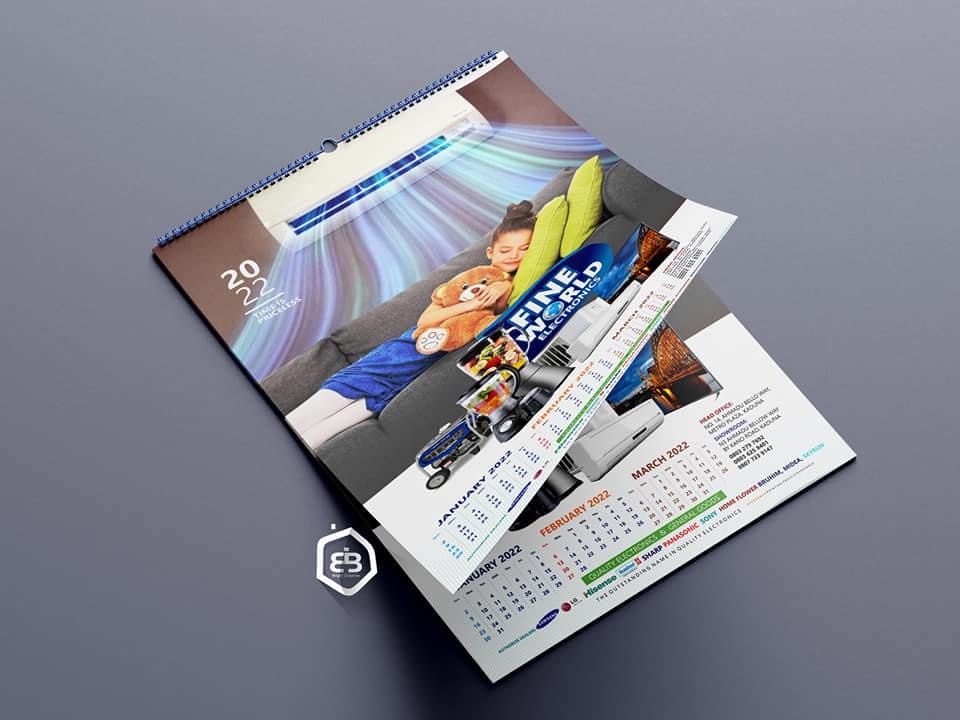
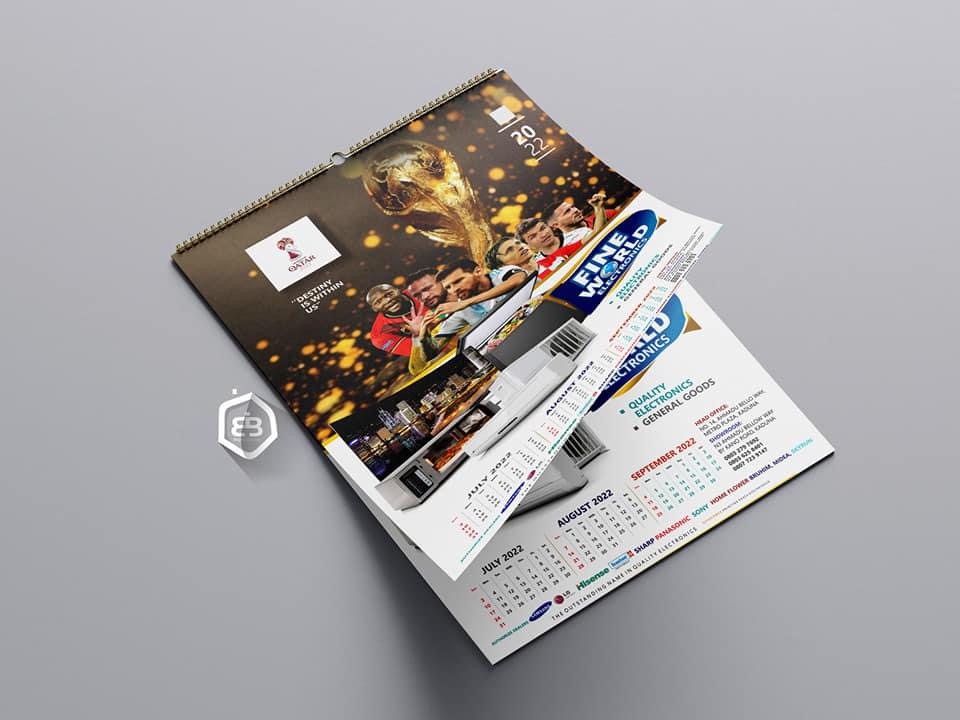
Calendars as effective souvenir
Good quality printed calendars make excellent souvenirs for several reasons, enhancing their value as meaningful gifts:
1. Personalized Touch: Customizable designs featuring photographs and quotes create unique keepsakes that resonate with recipients.
2. Functional Art: A well-crafted wall calendar serves as both a practical tool and a decorative piece, enhancing home or office decor.
3. Year-Round Reminders: Unlike typical souvenirs, calendars remain visible throughout the year, reminding recipients of special memories and themes.
4. Capturing Memories: They can highlight important events and milestones, making them ideal for commemorating significant dates.
5. Promoting Connections: Personalized calendars strengthen relationships, serving as constant reminders of shared experiences between the giver and recipient.
6. Encouraging Organization: These calendars help recipients stay organized while celebrating cherished memories.
7. Variety of Themes: Tailored to different interests—nature, art, travel—wall calendars offer versatile personalization options.
8. Cultural Significance: Calendars reflecting cultural themes or historical events foster a connection to heritage and identity.
In summary, wall calendars combine personalization, functionality, and artistry, making them memorable souvenirs that serve as lasting reminders of special moments throughout the year.