Production Turnaround:
Standard: 3-2 working days
Express: within 24hours (attracts aditional fee)
Delivery/Shipping:
Standard delivery time: 3-2 working days
Express delivery: within 24hours
For same day express delivery:
Orders placed after 10AM will be delievered the next day.
Creating Impactful Business Cards
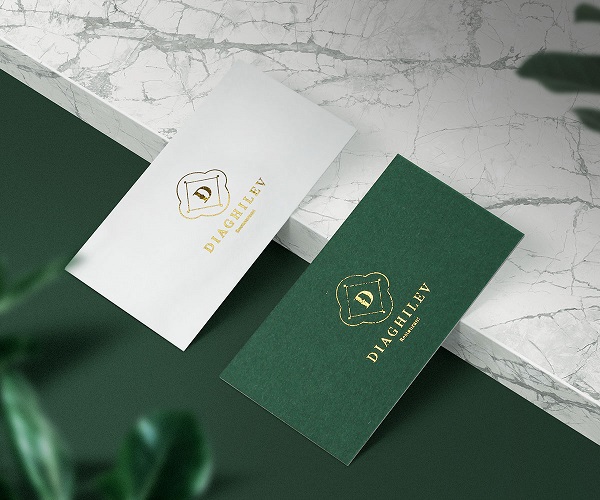
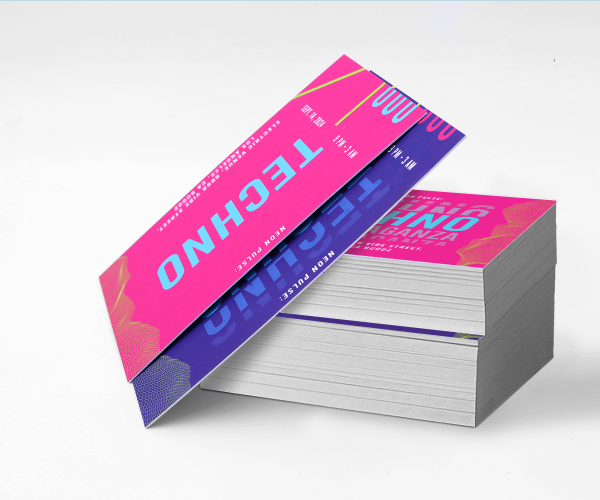
A business card is a critical marketing tool that functions as a compact representation of an individual’s professional identity and their affiliation with a specific organization. Each card is typically designed to be visually appealing while effectively conveying essential information. Here are the key components that one would commonly find on a business card, along with their significance:
The components of a business card
Full Name: The card prominently displays the individual’s full name, often in a larger or bolder font. This makes it easy for the recipient
to remember who the card belongs to, creating a personal connection from the outset.
Job Title: Directly beneath the name, the job title indicates the person's specific role within their company. This could range from titles such as "Senior Marketing Manager" to "CEO," providing context about their level of responsibility and area of expertise, which can establish credibility instantly.
Company Name: Clearly displaying the organization’s name helps recipients understand the professional environment in which the individual operates. This is especially important if the company is well-known or has a strong reputation in its industry, as it lends additional weight to the individual’s professional identity.
Contact Information: Essential for facilitating further communication, this section typically includes a direct mobile phone number, a professional email address, and in some cases, a physical mailing address. Each piece of contact information serves as an invitation for the recipient to reach out for questions, meetings, or networking opportunities, thereby fostering professional relationships.
Website: Accompanying the contact details, a URL directing to the company’s website or the individual’s personal portfolio is included to encourage further engagement. This allows recipients to delve deeper into the services provided, explore company insights, or view the individual's professional work, enhancing their understanding and interest.
Social Media Links: Increasingly important in today's digital world, links to relevant social media profiles—particularly LinkedIn—are often included. These links can showcase the individual's professional achievements, endorsements, and network, making it easier for recipients to see their professional persona beyond the printed card.
Logo: The incorporation of the company logo is crucial for branding purposes. It creates a visual identity that recipients can associate with the organization. A well-designed logo can leave a lasting impression and contribute to the overall aesthetic appeal of the card.
Here are some essential strategies for creating impactful business cards:
1. Prioritize Design: Choose a clean, professional layout that reflects your brand identity. Use high-quality graphics and a cohesive color scheme to make a lasting impression.
2. Include Essential Information: Ensure that your name, job title, company name, phone number, email, and website are clearly displayed. Only include the information that is relevant and necessary.
3. Use Readable Fonts: Select fonts that are easy to read at a glance. Avoid overly decorative styles that can detract from the clarity of your information.
4. Incorporate a Logo: A well-designed logo can enhance brand recognition. Ensure that it’s incorporated prominently but does not overpower the other information on your card.
5. Optimize for Durability: Choose high-quality cardstock and consider finishes like matte or gloss that will make your card stand out while also ensuring longevity.
6. Add a Personal Touch: Consider including a personalized message or quote that reflects your personality or business ethos to create a memorable connection.
7. Utilize Both Sides: Take advantage of both sides of the card to include additional information or a design element that enhances its visual appeal.
8. Maintain Consistency: Ensure your business card aligns with your overall branding materials, from your website to your social media profiles, to create a cohesive image.
By implementing these strategies, your business card will not only convey your information effectively but also leave a powerful impression on those who receive it.
The Role of Business Card in business development
Business cards are typically exchanged in various professional settings, including networking events, conferences, seminars, or casual meetings. They serve as a tangible reminder of a connection made and are designed to make a strong first impression. By providing the card, individuals are not simply offering contact information; they are actively promoting their personal brand and creating avenues for ongoing dialogue. This exchange often lays the groundwork for future collaborations, partnerships, and professional growth, underscoring the importance of a thoughtfully crafted business card in modern networking.
Relative sizes of Business Card
When considering the relative sizes of business cards, it's essential to know that standard dimensions can vary by region and personal preference. Here are some common sizes:
1. Standard Size (USA): The most common business card size in the United States is 3.5 inches by 2 inches (89 mm by 51 mm).
2. European Size: In Europe, the standard business card size is typically 3.3 inches by 2.1 inches (85 mm by 55 mm).
3. Square Cards: Some professionals opt for square cards, which are usually 2.5 inches by 2.5 inches (63 mm by 63 mm). These can stand out but may not fit in traditional card holders.
4. Mini Cards: Smaller than standard cards, mini business cards often measure around 3 inches by 1 inch (76 mm by 25 mm). They can be unique and memorable but may have limited space for information.
5. Vertical Cards: While less common, vertical business cards can measure 2 inches by 3.5 inches (51 mm by 89 mm) or similar dimensions. This can offer a modern twist on the traditional card style.
6. Custom Sizes: Some businesses choose to create custom-sized cards to reflect their branding better. However, it's important to consider practicality regarding storage and distribution.
When designing your business card, consider not only the size but also the layout and the amount of information you wish to include. A well-sized card ensures your information is readable while still being visually appealing.
Necessities of Wedding Invitation Card
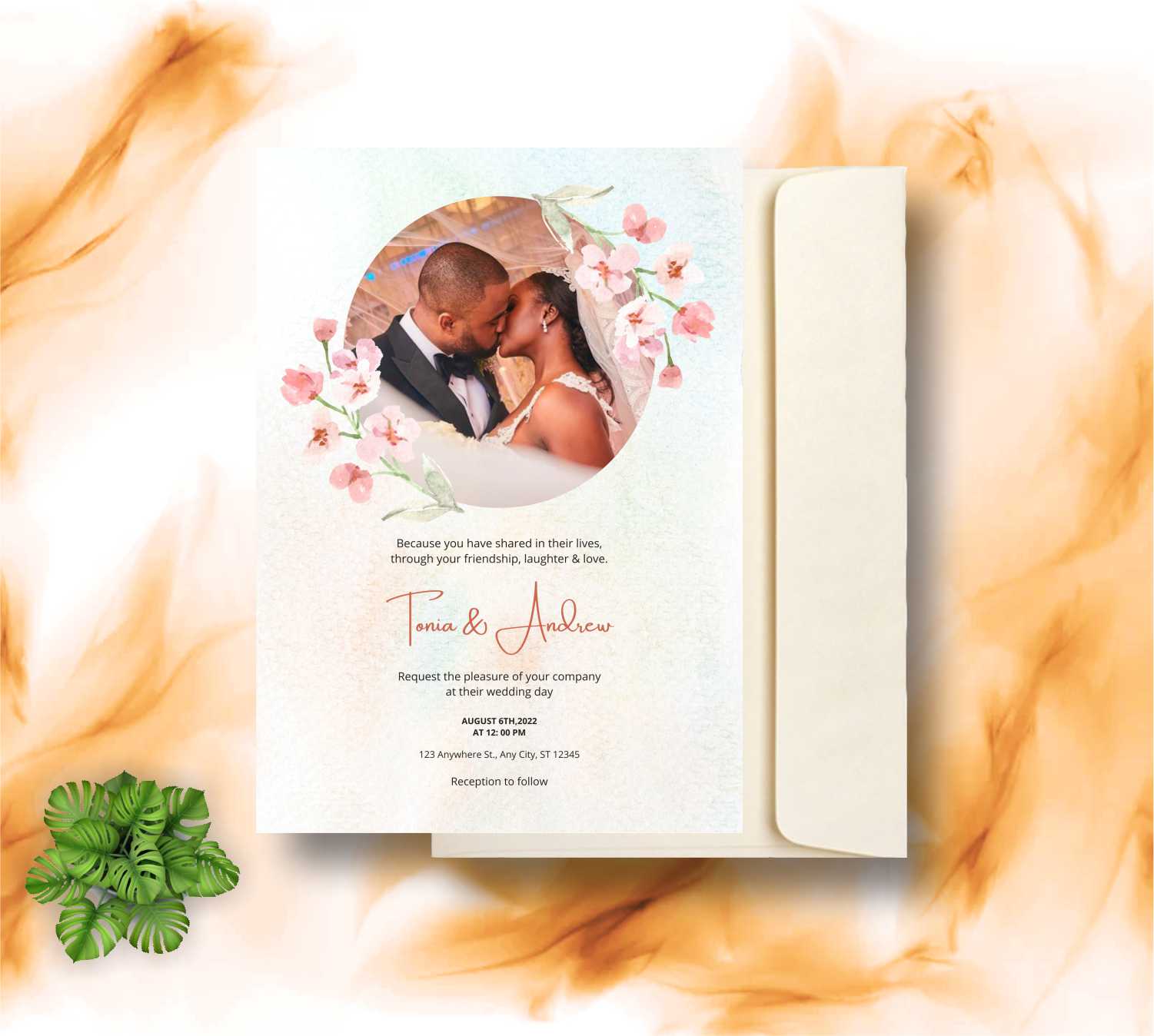
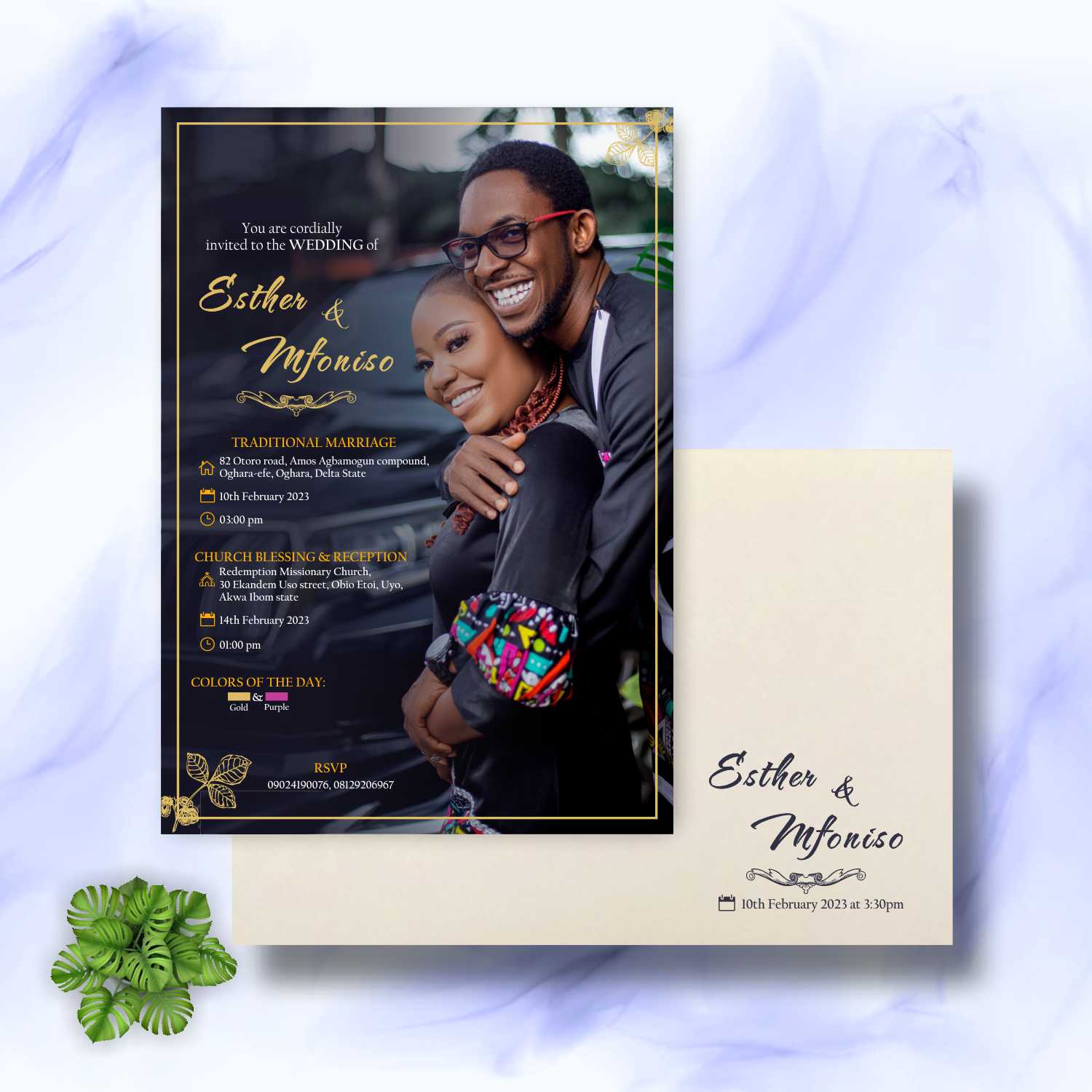
Wedding invitations are an essential part of the wedding planning process for several reasons:1. Communication: Invitations communicate the details of the event, including the date, venue, time, and dress code, ensuring guests know what to expect.
2. Theme and Style: They set the tone for the wedding, reflecting the couple's style and theme. Whether formal or casual, traditional or modern, the design can create excitement among the guests.
3. Guest List Management: Sending out invitations helps in managing the guest list and RSVP process, allowing you to plan for seating, catering, and other logistics.
4. Personal Touch: Custom invitations can add a personal touch that makes guests feel special and included in the celebration.
5. Tradition: Wedding invitations are part of the longstanding tradition of formally announcing the union and celebration of two individuals.
6. Information Sharing: They allow couples to inform guests about any other events related to the wedding, such as engagement parties or pre-wedding rituals.
7. Keepsake: Many guests cherish wedding invitations as mementos from the big day, making them a lasting memory of the occasion.
Choosing the right wedding invite is crucial to ensuring the event is memorable for both the couple and their guests.