

Branded Sport water bottle
Production Turnaround:
Standard: 3-2 working days
Express:
within 24hours (attracts aditional fee)
Delivery/Shipping:
Standard delivery time: 3-2 working days
Express delivery: within 24hours
For same day express delivery:
Orders placed after 10AM will be delievered the next day.
A branded sports water bottle; An excellent promotional tool
A branded sports water bottle is indeed an excellent promotional tool for several reasons:
1. Practical Use: Water bottles are highly practical and used by many people during workouts, outdoor activities, or daily errands. When you give away or sell a branded water bottle, it’s likely to be used frequently, keeping your brand visible.
2. Visibility and Exposure: Whenever someone uses your branded bottle, they’re essentially advertising your brand to everyone around them. This can increase brand awareness among potential customers.
3. Eco-Friendly Marketing: With a growing emphasis on sustainable practices, a reusable water bottle aligns your brand with eco-friendly values. It encourages reducing single-use plastic and shows that your brand cares about the environment.
4. Customizable Design: You can customize water bottles in various colors, materials, and designs. This allows you to create a product that reflects your brand’s identity and stands out in the market.
5. Versatile Promotion: Branded water bottles can be used at events, trade shows, fitness classes, or as giveaways for contests. They’re suitable for a wide range of audiences, from athletes to office workers.
6. Builds Loyalty: Offering a high-quality, useful product can help foster loyalty among customers. When people appreciate your brand’s products, they are more likely to return for future purchases.
7. Health and Wellness Association: By promoting a sports water bottle, you associate your brand with health and wellness. This can appeal to fitness enthusiasts and those who prioritize healthy lifestyles.
8. Affordability: Compared to other promotional products, water bottles can be cost-effective, especially in bulk. This makes them accessible for businesses of all sizes.
9. Long-Lasting Impact: A durable water bottle can last for years, meaning your brand message stays with consumers for a long time. Every time they reach for it, they are reminded of your brand.
10. Networking Opportunities: If you distribute these bottles at events, it can create networking opportunities and foster connections with potential customers or clients.
In conclusion, branded sports water bottles are a versatile and effective promotional tool that can enhance your brand visibility while promoting sustainability and healthy living.
The effectiveness of Branded Gift Items
Brand gift items are instrumental for organizations seeking to enhance their visibility and reinforce their corporate identity. The following points articulate the significance of these items in a professional context:
1. Brand Awareness: Branded gifts effectively increase visibility and awareness of an organization. When recipients utilize or display these items, they contribute to the promotion of the brand to a broader audience.
2. Customer Loyalty: The provision of branded gifts can cultivate goodwill and fortify customer loyalty. When customers perceive that their patronage is valued, they are more likely to return and engage with the brand.
3. Promotion and Marketing: Branded gifts serve as impactful marketing instruments. They can generate interest in products and services, potentially attracting new customers through word-of-mouth referrals.
4. Professional Image: The distribution of well-designed promotional items can enhance the brand's image, reflecting professionalism and a meticulous approach to detail.
5. Memorable Impact: A thoughtfully selected gift can create a lasting impression on clients and partners, aiding in the differentiation of the brand from its competitors.
6. Encouraging Engagement: Branded gifts facilitate increased interaction with the brand, whether through social media engagement, referrals, or direct involvement in events.
7. Relationship Strengthening: Gift items can reinforce relationships with clients, employees, and partners, demonstrating that their support and contributions are valued.
8. Event Marketing: The distribution of branded gifts at events, trade shows, or corporate gatherings can enhance the organization’s presence and provide attendees with a tangible reminder of the experience.
9. Employee Motivation: Providing branded gifts to employees can elevate morale and motivation, fostering a sense of belonging and team cohesion within the organization.
10. Customization Opportunities: Brand gift items can be tailored to align with specific marketing initiatives or seasonal promotions, enabling businesses to effectively target their audience.
In conclusion, brand gift items are essential for establishing recognition, strengthening relationships, and promoting customer loyalty, thereby representing a valuable investment for any organization.
A Detailed Comparison Between Graphic Design and Printing
Graphic design and printing are two integral components of the visual communication process, each serving distinct functions while often overlapping in practice. Together, they form a vital relationship that transforms abstract concepts into tangible products. Below is a detailed comparison and contrast of graphic design and printing, emphasizing their unique roles and collaborative nature.
Definitions:
- Graphic Design: Graphic design is an artistic and technical discipline focused on creating visual content that conveys specific messages or ideas. It involves a thoughtful combination of elements such as images, typography, colors, shapes, and layouts to communicate effectively. Graphic designers are responsible for crafting visuals that align with brand identities, evoke emotions, and engage audiences across various mediums, including digital platforms, print materials, advertisements, and packaging.
- Printing: Printing is the technological process of reproducing text and images onto physical surfaces using various techniques and machinery. It encompasses a range of methods, such as digital printing, offset printing, screen printing, and letterpress. The primary goal of printing is to create high-quality physical representations of designs, resulting in products like brochures, business cards, packaging, and banners that are ready for market distribution.
Key Comparisons:
1. Objective:
Graphic Design: The central objective of graphic design is to produce visually captivating designs that effectively communicate a message or concept. This involves creating layouts that are not only aesthetically pleasing but also functional, ensuring that the viewer can easily understand the information presented. Designers often consider the target audience, the context of the design, and the emotions they wish to evoke.
Printing: The main objective of printing is to accurately reproduce the designs created in the graphic design phase into physical products. This process requires attention to detail to ensure that colors, textures, and overall quality align with the designer's vision. Printing also aims to produce items cost-effectively while meeting deadlines and maintaining high standards.
2. Creative Process:
Graphic Design: The creative process in graphic design begins with research and brainstorming, often involving the generation of multiple concepts and drafts. Designers explore color theory, composition principles, typography styles, and visual hierarchy to create designs that resonate with the intended message. Feedback and revisions are integral to honing the final design, ensuring it effectively meets client objectives.
Printing: The printing process involves preparing design files for production, which includes selecting appropriate print methods, substrates, and coatings that best suit the project. Preparation may also require adjusting color profiles, ensuring correct file formats, and setting up production schedules. Successful printing ensures that the printed output matches the designer's specifications while considering technical constraints.
3. Tools and Technologies:
Graphic Design: Graphic designers rely on a suite of software applications to create and manipulate visual content. Adobe Creative Suite (including Photoshop, Illustrator, and InDesign) is widely used for designing graphics and layouts. These tools offer a range of functionalities, including image editing, vector illustration, and layout design, allowing designers to express their creativity effectively.
Printing: Printers use specialized equipment tailored to different printing techniques. Digital printers, offset presses, and screen printing setups are among the tools utilized. Each printing method has its unique advantages and limitations, influencing the choice based on the project's requirements, such as volume, material compatibility, and desired print quality.
4. Final Output:
Graphic Design: The final output of graphic design is typically a digital file (such as a PDF, JPEG, or TIFF) that can be used across various applications. This includes traditional print mediums, as well as digital formats for websites and social media. The design output is adaptable, intended for different uses based on the project needs and target audience.
Printing: The final output of printing is a physical product that results from the application of the printed designs. This could include a wide range of items, such as posters with vibrant visuals, brochures with detailed information, or packaging that attracts consumer attention. The printed product must adhere to quality standards and reflect the intended design accurately.
Key Contrasts:
1. Focus:
Graphic Design: The focus of graphic design is primarily on creativity, artistic expression, and visual communication. Graphic designers devote their efforts to developing concepts that blend artistry with purpose, continuously exploring how visual elements can best convey their messages.
Printing: The focus of printing lies in the technical execution of producing high-quality printed materials. This involves managing logistics, ensuring optimal color fidelity, maintaining machine calibration, and executing quality control procedures to deliver the best possible products.
2. Role in the Process:
Graphic Design: Typically the first step in the overall production workflow, graphic design establishes the visual framework for a project. Graphic designers collaborate closely with clients to understand their needs, explore creative directions, and arrive at the final design that conveys the intended message.
Printing: Printing follows the graphic design phase, transforming the conceptual designs into physical items. Printers work from the finalized design files, ensuring that all production parameters are met. This phase requires collaboration with graphic designers to address any discrepancies or adjust specifications for the printing process.
3. Problem-Solving:
Graphic Design: In graphic design, problem-solving revolves around visual communication challenges—determining how to present information in an engaging and effective way. Designers often navigate issues related to audience engagement, brand alignment, and the emotional impact of their designs.
Printing: In printing, problem-solving focuses on production-related challenges—finding solutions to issues such as color matching, material limitations, print consistency, and equipment malfunctions. Printers must troubleshoot effectively to deliver high-quality outputs that adhere to schedules.
Conclusion:
In summary, graphic design and printing are two interrelated domains that play essential roles in the visual communication landscape. While graphic design primarily emphasizes creativity and the formulation of visual
messages, printing is focused on the technical reproduction of those designs into tangible products. Understanding the nuances and distinctive contributions of each discipline fosters stronger collaboration and
ultimately leads to the successful realization of visual communication projects.
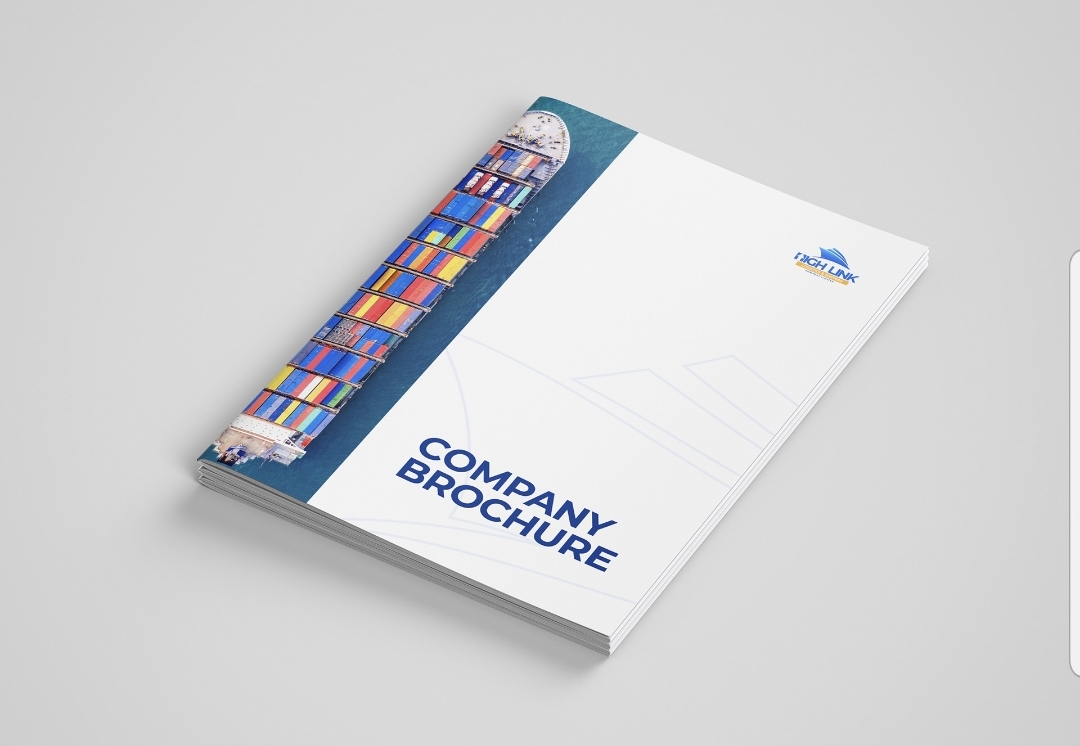
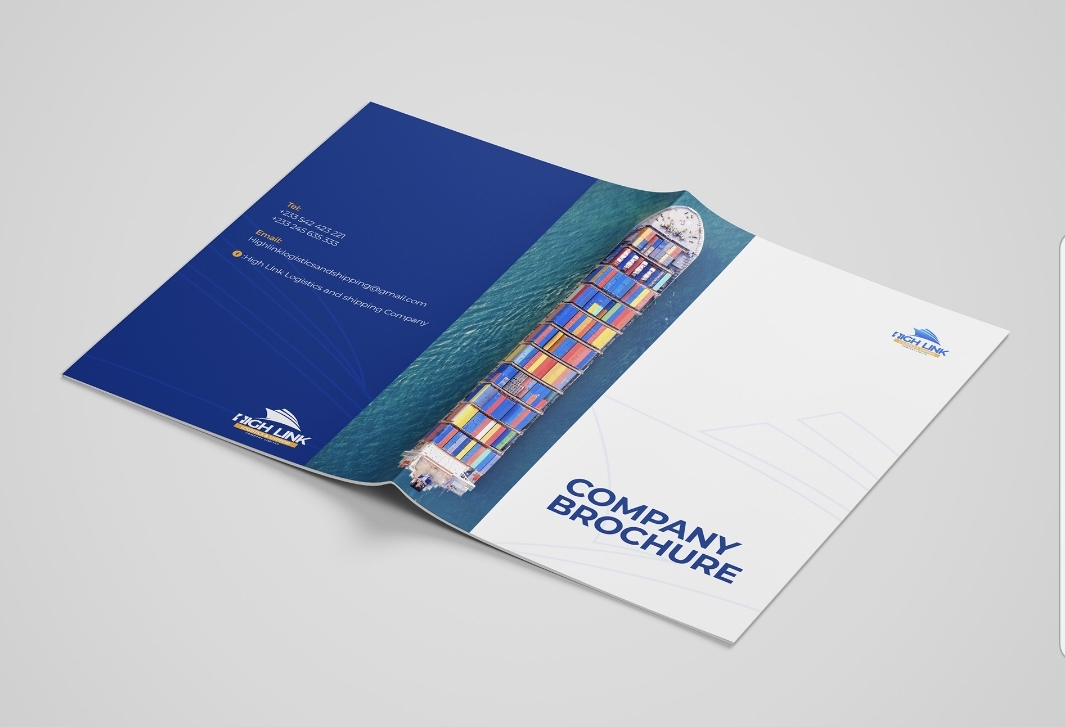
Identity Branding and Products Awareness
Identity branding plays a significant role in product awareness by influencing how well consumers recognize and recall a brand. Here are some key ways in which identity branding impacts product awareness:
1. Visual Recognition: Strong visual branding—such as logos, colors, and packaging—helps create instant recognition. Consistent use of these elements makes it easier for consumers to identify products quickly, even in crowded retail environments.
2. Distinct Messaging: Clear brand messaging establishes what the brand stands for and what consumers can expect. When messaging resonates with the audience, it enhances recall and makes it more likely that consumers will be aware of a product when making purchasing decisions.
3. Emotional Resonance: Identity branding that taps into consumers' emotions can create a more memorable presence. Brands that connect on an emotional level build stronger awareness, as customers are more likely to remember and talk about products they feel a connection to.
4. Engagement Strategies: Effective identity branding often includes engaging marketing strategies and campaigns that increase visibility. Utilizing social media, influencer partnerships, and other digital marketing tactics helps broaden the reach and elevates product awareness.
5. Consistency Across Channels: A consistent brand identity across various platforms—such as social media, websites, and print materials—reinforces product awareness. When consumers see the same branding elements repeatedly, it solidifies their understanding and recall of the product.
6. Brand Storytelling: Sharing compelling stories about the brand and its products enhances awareness. When customers can relate to a brand’s narrative, they are more likely to remember the product and share it with others.
7. Cultural Relevance: Brands that effectively align their identity with current cultural trends or social movements are more likely to resonate with their target audience. This relevance can enhance awareness as consumers engage with products that reflect their values.
8. Word-of-Mouth Marketing: A strong brand identity often leads to increased word-of-mouth awareness. Satisfied customers who identify with a brand are more inclined to share their experiences with friends and family, spreading awareness organically.
9. Sponsorships and Partnerships: Collaborations and sponsorships with other relevant brands or events can enhance visibility. A well-placed partnership can leverage the audiences of both brands, increasing overall product awareness.
10. Feedback and Adaptation: Actively seeking customer feedback about brand identity and awareness can help brands adapt their strategies. Understanding what resonates with consumers allows brands to refine their approach, improving recognition.
Ultimately, strong identity branding creates a foundation for product awareness by ensuring that consumers easily recognize, understand, and connect with a brand, leading to greater visibility and sales potential in the market.