The Role of Printing in the Agro-Allied Industry
In the agro-allied industry, printing serves as a powerful ally, significantly enhancing various facets of production, marketing, and communication. It’s incredible to see how this often-overlooked element can make such a difference. Here are some heartfelt ways in which printing has become a game changer:
Some key aspects of printing in the Agro-Allied Industry
1. Packaging: Thoughtful packaging can truly elevate food products. By providing crucial information such as ingredients, nutritional facts, and expiration dates, printed packaging doesn’t just serve a functional role but also reassures consumers about what they are buying. Vibrant graphics can draw attention while conveying a brand’s story and values.
2. Labeling: Accurate labeling is essential, particularly when it comes to food safety and regulations. Printed labels ensure that consumers can easily identify products and understand their origins and handling requirements, fostering a sense of trust and transparency.
3. Marketing Materials: In a competitive market, effective communication is key. Printed promotional materials like brochures, flyers, and posters can tell a product’s story, spark interest, and invite engagement. They empower businesses to connect with potential customers in a meaningful way.
4. Educational Materials: Knowledge sharing is vital in agriculture. Printing educational resources helps inform both farmers and consumers about best practices and sustainable methods. These manuals and guides can empower individuals to make informed decisions, benefiting both people and the planet.
5. Branding: In a world filled with choices, establishing a strong brand identity is essential. Printed items such as business cards and product tags help create a cohesive image that resonates with consumers, making them feel more connected to the products they choose.
6. Traceability: In today’s age, knowing where our food comes from is more important than ever. Printed codes and labels allow for traceability from farm to table, nurturing a deep sense of accountability and trust that both producers and consumers cherish.
7. Promotional Items: Branded merchandise, from bags to caps, can create a community around a brand. These items, especially when shared at events or as giveaways, foster a sense of belonging and loyalty among consumers.
8. Sustainability Initiatives: Many companies are embracing eco-friendly printing methods, using biodegradable inks and recyclable materials. This conscious choice not only supports sustainability but resonates deeply with consumers who prioritize the health of our planet.
9. Custom Solutions: The advancements in printing technology open the door for customized solutions that meet unique needs. This flexibility helps businesses adapt and cater to the diverse desires of their customers, creating a more personalized experience.
In the agro-allied industry, the integration of printing does more than enhance operations—it nurtures connections between businesses and consumers. By improving packaging, labeling, and marketing efforts, printing builds not only sales but also trust and transparency. As technology continues to advance, we look forward to witnessing how innovative printing solutions will further transform this vital sector, promoting resilience and sustainability for all involved.
In what ways can printing companies mitigate unemployment?
Printing companies can play a significant role in mitigating unemployment by implementing various strategies, including:
1. Job Creation: By expanding operations and investing in new technologies, printing companies can create new jobs in various roles such as production, design, sales, and customer service. Increased demand for printed materials can drive growth and hiring.
2. Training and Skill Development: Offering training programs and apprenticeships can help equip workers with the necessary skills for the printing industry. This is particularly beneficial for those who may not have prior experience, enabling them to transition into new roles more easily.
3. Supporting Local Economies: By sourcing materials locally and providing employment opportunities within the community, printing companies can contribute to economic stability. This impact can help reduce unemployment rates in the areas where they operate.
4. Diversifying Services: By expanding their service offerings to include digital printing, packaging, or customized products, printing companies can tap into new markets and attract more clients, leading to increased hiring opportunities.
5. Remote and Flexible Work Options: Embracing technology allows printing companies to offer remote work options for certain positions. This flexibility can help attract a broader pool of candidates, including those who may struggle with traditional work arrangements.
6. Partnerships with Educational Institutions: Collaborating with local colleges and vocational schools to create programs that align with the industry's needs can ensure a steady pipeline of skilled workers, enhancing employment opportunities for graduates.
7. Community Engagement: Participating in community outreach programs and supporting local initiatives can raise awareness of job openings and career paths in the printing industry, attracting talent from diverse backgrounds.
8. Adapting to Market Demands: Staying ahead of industry trends and evolving consumer needs allows printing companies to remain competitive and profitable. This can lead to sustained or increased hiring as businesses grow to meet demand.
9. Fostering Entrepreneurship: Some printing companies may offer services geared toward small businesses or startups (like design services or small batch printing), which can stimulate entrepreneurship in the community, leading to job creation in related fields.
By adopting these strategies, printing companies can help alleviate unemployment while also fostering a skilled workforce ready to adapt to the evolving demands of the industry.
The Advancement of Printing Technology
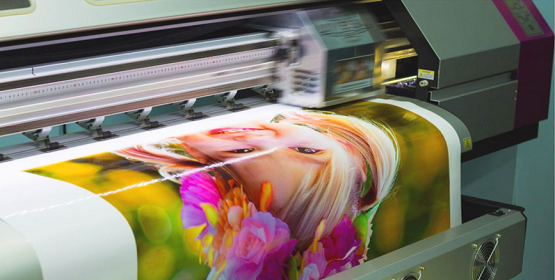
The advancement of printing technology has undoubtedly shaped the landscape of the 21st century. Digital printing stands at the forefront, revolutionizing how we approach graphic design and production. With its origins rooted in traditional techniques, digital printing continues to evolve, bringing forth remarkable innovations such as UV printing.
The advantages of this technology are manifold—speed, efficiency, and cost-effectiveness make it a go-to choice for businesses across various sectors. Its applications span from packaging to textiles and marketing materials, showcasing its versatility and impact on multiple industries.
As we look ahead, it's clear that digital printing is poised for further growth. Advancements in technology promise even more refined processes and creative possibilities for designers. The future looks bright for those who embrace these changes.
Navigating the world of digital printing will be essential for anyone involved in graphic design or related fields.
Adapting to new trends while leveraging existing technologies can lead to innovative solutions that meet consumer demands efficiently.
Digital printing has revolutionized how industries operate. From fashion to packaging, the impact is profound and far-reaching. In retail, brands utilize digital printing for customized products.
Best Practices for Brochure Printing
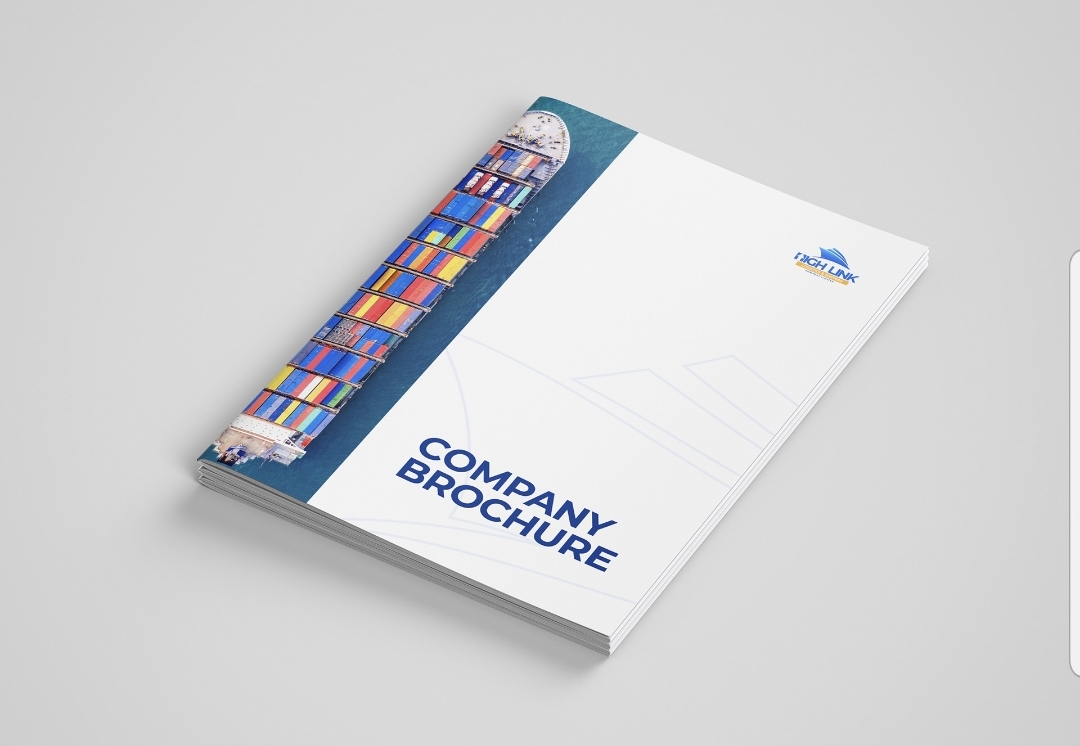
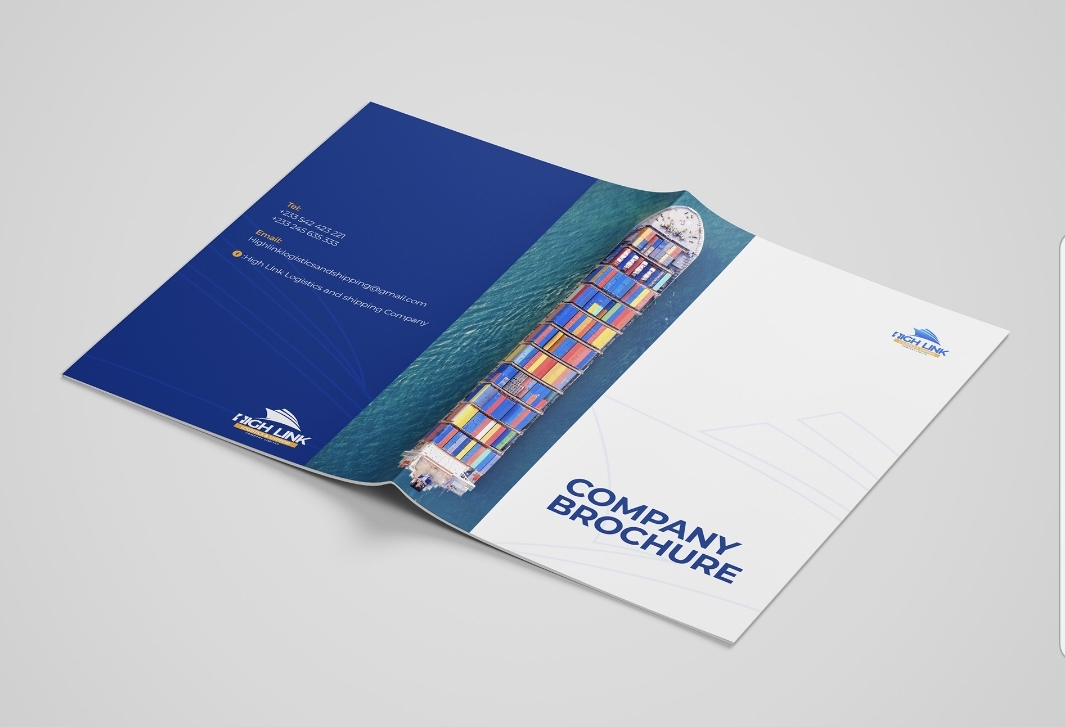
1. Clear design and layout: Ensure the design is clear, concise, and visually appealing.
2. High-quality images: Use high-resolution images to maintain quality when printed.
3. Paper selection: Choose paper that suits the brochure's purpose and desired finish.
4. Color accuracy: Ensure colors are accurate and consistent with brand guidelines.
5. Proofreading: Carefully proofread content for errors before printing.
6. Finishing touches: Consider finishes like gloss, matte, or folds for a professional look.
Design considerations:
1. Visual hierarchy: Organize content to guide the reader's attention.
2. Brand consistency: Align design with the company's brand identity.
3. Clear messaging: Ensure the brochure clearly communicates the intended message.
4. Readability: Use fonts and sizes that are easy to read.
Printing considerations:
1. Print method: Choose between digital or offset printing based on quantity and budget.
2. Color mode: Ensure design files are in the correct color mode (CMYK for print).
3. Bleed and margins: Account for bleed areas and margins in design.
Distribution and use:
1. Targeted distribution: Distribute brochures to relevant audiences or locations.
2. Event usage: Use brochures at events, trade shows, or in-store displays.
3. Follow-up: Consider follow-up actions like email campaigns or calls.
Tips for effective brochures:
1. Focus on benefits: Highlight benefits of products or services.
2. Include a call-to-action: Encourage readers to take a specific action.
3. Use compelling visuals: Images and graphics should support the message.
4. Keep it concise: Balance content with white space for readability.
By following these best practices, brochures can effectively communicate information and promote a company's brand.
Impact of Graphic Design in Branding
1. Visual identity creation: Graphic design helps create a brand's visual identity, including logos, color schemes, and typography.
2. Brand recognition: Consistent graphic design elements enhance brand recognition and memorability.
3. Emotional connection: Design can evoke emotions and create connections with the target audience.
4. Professionalism and credibility: High-quality design conveys professionalism and credibility.
5. Differentiation: Unique design elements help differentiate a brand from competitors.
Key aspects of graphic design in branding:
1. Logo design: A logo is a critical element of a brand's visual identity.
2. Color palette: Colors evoke emotions and contribute to brand recognition.
3. Typography: Fonts and typography convey the brand's personality and tone.
4. Imagery and icons: Consistent use of imagery and icons reinforces brand identity.
Benefits of effective graphic design in branding:
1. Consistency across touchpoints: Consistent design builds a cohesive brand experience.
2. Increased brand loyalty: Strong visual identity can foster loyalty and trust.
3. Enhanced communication: Design helps communicate the brand's message and values.
4. Memorable brand experience: Effective design creates a lasting impression.